.png)
Minneapolis is a vibrant metropolis that perfectly blends urban sophistication with Midwestern charm. Whether you're seeking world-class cultural attractions, stunning natural beauty, or unique local experiences, the Twin Cities offer an incredible array of activities that cater to every type of traveler. From iconic museums to scenic waterfalls, this comprehensive guide will help you discover the best things to do in Minneapolis and make the most of your visit to Minnesota.
TLDR
• Minneapolis offers world-class cultural attractions including the Walker Art Center, Mill City Museum, and Minneapolis Institute, plus outdoor gems like Minnehaha Falls and the Chain of Lakes
• The city provides excellent free activities alongside paid attractions, making it perfect for various budget levels and travel styles
• Downtown entertainment includes the Guthrie Theater, First Avenue music venue, and the vibrant Warehouse District with local shops and dining
• Day trips to the Mall of America and neighboring St. Paul expand your options, while the extensive park system offers year-round outdoor recreation along the Mississippi River
Experience Minneapolis with Roami
Ready to explore everything Minneapolis has to offer? Skip the cramped hotel rooms and discover the city from the comfort of a spacious Roami vacation rental. Our Minneapolis properties provide the perfect home base for your Twin Cities adventure, offering group-friendly accommodations with fully equipped kitchens, generous living spaces, and prime locations that put you close to all the attractions mentioned in this guide. Book your Minneapolis getaway today and experience the city like a local while enjoying the comfort and convenience that only Roami can provide.
Iconic Minneapolis Museums and Cultural Attractions
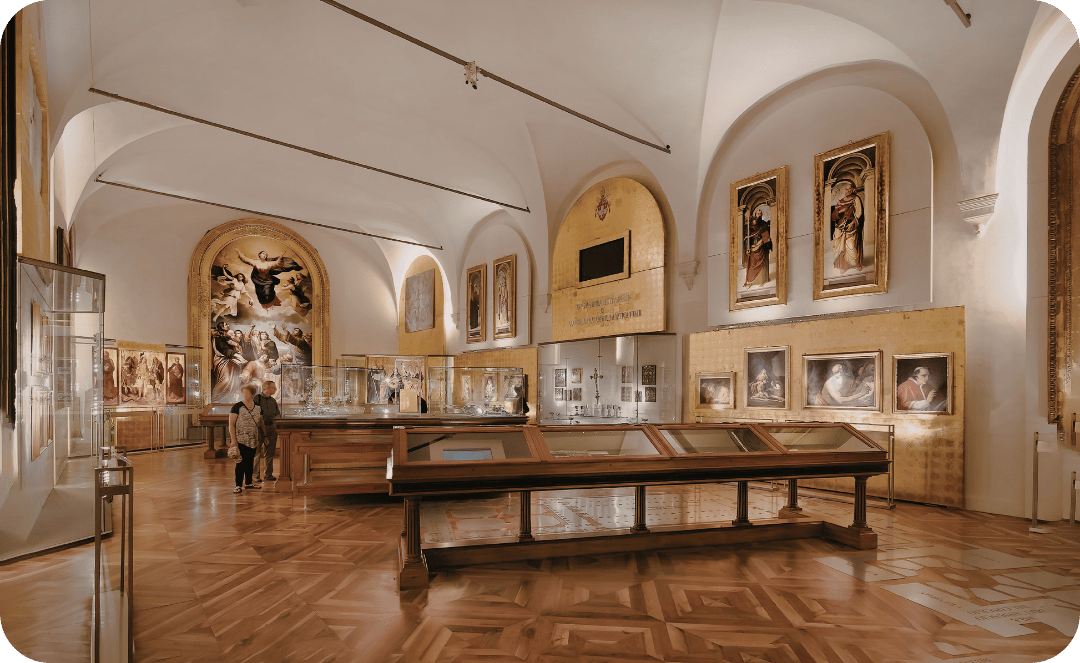
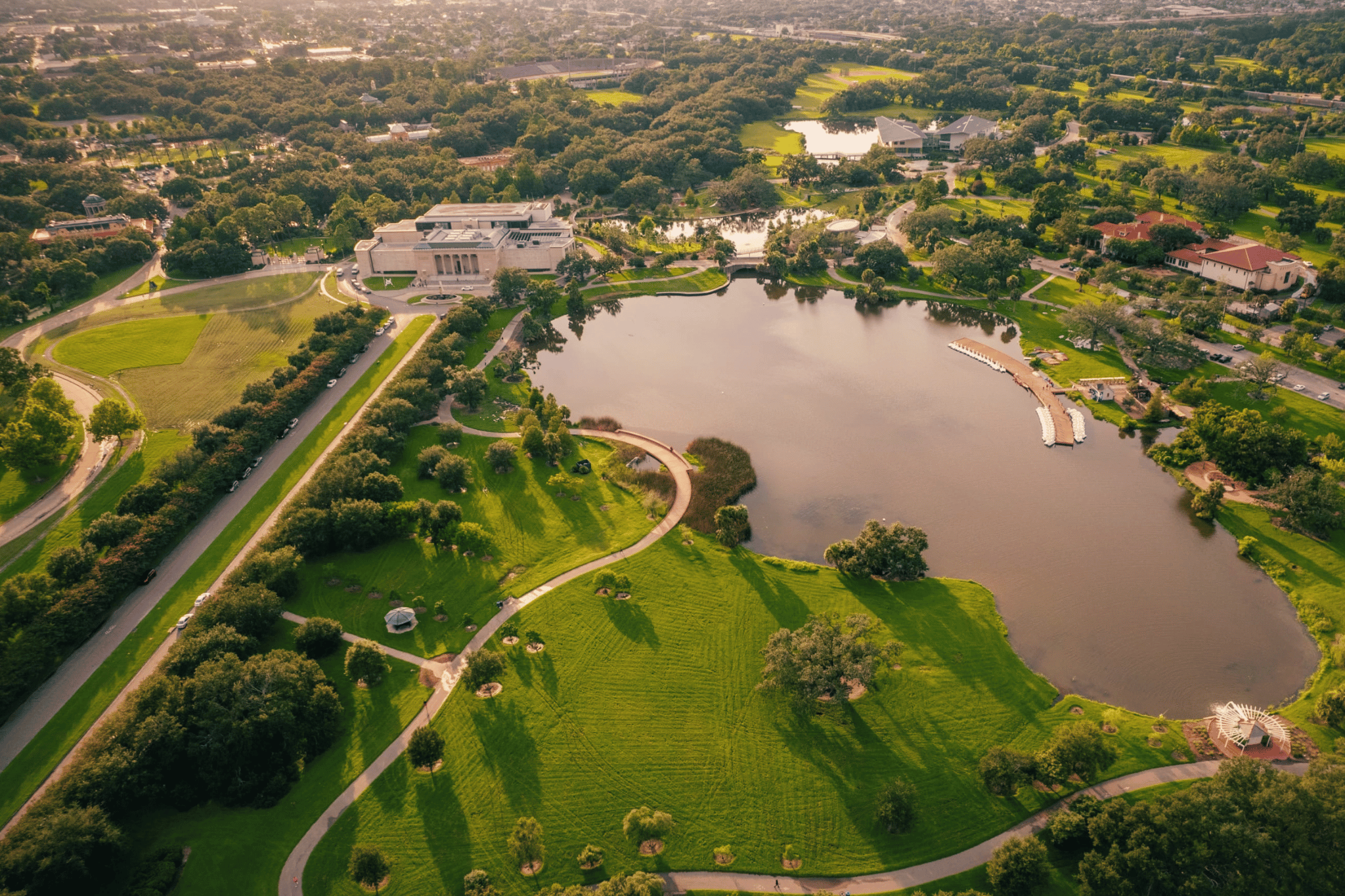
Minneapolis boasts an impressive collection of world-renowned cultural institutions that showcase both local heritage and international treasures. The Walker Art Center stands as one of the premier contemporary art museums in the country, offering cutting-edge exhibitions and performances that challenge traditional artistic boundaries. Just steps away, the Minneapolis Sculpture Garden provides an outdoor extension of the gallery experience, featuring the iconic Spoon and Cherry sculpture alongside works by renowned artists from around the world.
The Mill City Museum offers a fascinating glimpse into Minneapolis' industrial past, housed within the ruins of what was once the world's largest flour mill. Interactive exhibits bring the city's milling heritage to life, while the observation deck provides stunning views of the Mississippi River and downtown Minneapolis skyline. For art enthusiasts, the Minneapolis Institute presents an encyclopedic collection spanning 5,000 years, from ancient artifacts to contemporary masterpieces.
Walker Art Center and Minneapolis Sculpture Garden
The Walker Art Center represents the pinnacle of contemporary art in the Twin Cities, featuring rotating exhibitions that showcase emerging and established artists. The adjacent Minneapolis Sculpture Garden spans 11 acres and houses more than 40 permanent installations. This completely free attraction offers amazing views of the city while you explore works by artists like Claes Oldenburg and Frank Gehry.
Mill City Museum and Minneapolis History
Built within the historic Washburn A Mill, the Mill City Museum tells the story of Minneapolis' rise as the flour milling capital of the world. The museum's innovative exhibits include a flour tower experience and Mill City Farmers Market connections. Visitors can enjoy panoramic views from the observation deck, which offers some of the most stunning views of the Stone Arch Bridge and Anthony Falls.
Weisman Art Museum and University Area
Designed by renowned architect Frank Gehry, the Weisman Art Museum is a masterpiece both inside and out. This University of Minnesota institution houses an impressive collection of American art, including works by Georgia O'Keeffe and Alfred Maurer. The museum's distinctive stainless steel facade has become an iconic part of the Minneapolis skyline.
Outdoor Adventures and Natural Beauty in Minneapolis
Minneapolis offers abundant opportunities to connect with nature without leaving the urban environment. The Mississippi River serves as the city's lifeline, providing scenic beauty and recreational opportunities throughout the metro area. Minnehaha Falls, one of the most photographed waterfalls in America, cascades 53 feet into the Mississippi River, creating a spectacular natural attraction that's completely free to visit.
The city's chain of lakes, including Lake Harriet and Lake Calhoun (now known as Bde Maka Ska), offer year-round recreation and stunning views. These urban oases provide perfect spots for walking, biking, swimming, and picnicking, making them favorite things to do for both locals and visitors spending time in the Twin Cities.
Stone Arch Bridge and Mississippi River Views
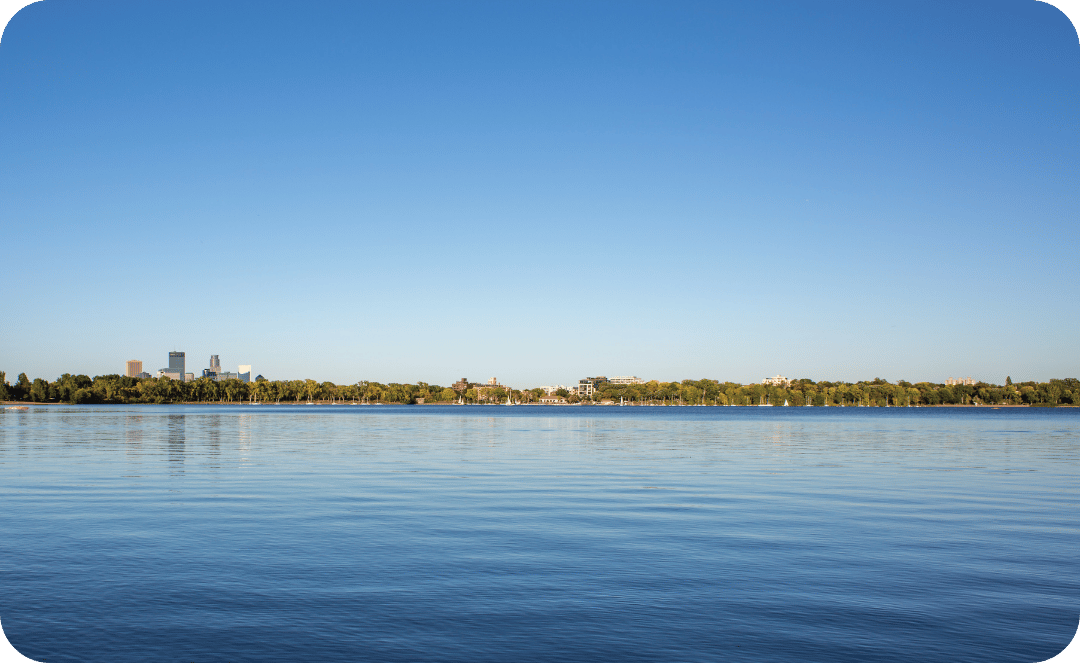
The historic Stone Arch Bridge spans the Mississippi River and offers some of the most amazing views in Minneapolis. This pedestrian and bicycle bridge provides unobstructed vistas of the downtown skyline, Anthony Falls, and the surrounding riverfront. The bridge connects to miles of trails perfect for exploring the Mississippi River corridor.
Minnehaha Falls and Lake Harriet Escapes
Minnehaha Falls Park encompasses 193 acres of natural beauty just minutes from downtown Minneapolis. The park features hiking trails, picnic areas, and the famous waterfall that inspired Henry Wadsworth Longfellow's poem "The Song of Hiawatha." Lake Harriet, part of the Grand Rounds Scenic Byway, offers a 2.8-mile walking path, seasonal boat rentals, and the historic Lake Harriet Bandshell.
Cedar Lake and Completely Free Nature Spots
Cedar Lake provides a quieter alternative to the more popular chain of lakes, offering excellent swimming, kayaking, and trail access. The surrounding Cedar Lake Trail connects to the larger Grand Rounds system, providing miles of paved paths for walking and cycling. These hidden gem locations offer nature experiences without any extra cost.
Downtown Minneapolis Entertainment and Dining
The heart of Minneapolis pulses with energy, offering world-class entertainment venues and diverse dining options. The Guthrie Theater, with its distinctive cantilever design, presents both classic and contemporary productions while offering spectacular views of the Mississippi River from its observation deck. First Avenue, the legendary music venue made famous by Prince, continues to host both emerging and established artists across multiple stages.
The Warehouse District has transformed from an industrial area into a vibrant entertainment quarter filled with restaurants, clubs, and cultural events. Hennepin Avenue serves as the main artery through this district, connecting visitors to theaters, restaurants, and nightlife venues. Local shops throughout downtown offer unique Minneapolis-made products and artisanal goods.
Guthrie Theater and First Avenue Music Scene
The Guthrie Theater stands as one of the nation's premier regional theaters, featuring three performance spaces and innovative productions. The building's observation deck provides free access to panoramic views of the Mississippi River and downtown. First Avenue, immortalized in Prince's "Purple Rain," remains the epicenter of Minneapolis' music scene, hosting over 200 shows annually across its multiple venues.
Warehouse District and Local Shops
The Warehouse District combines historic architecture with modern amenities, creating a unique atmosphere for shopping and dining. Local shops feature everything from vintage clothing to handcrafted jewelry, while coffee shops offer perfect spots to rest between exploring the neighborhood's attractions. The district hosts regular cultural events and art walks that showcase the area's creative spirit.
Coffee Shops and Nicollet Mall Shopping
Nicollet Mall serves as downtown Minneapolis' pedestrian spine, connecting visitors to major retail stores, restaurants, and attractions. The area's numerous coffee shops provide cozy spaces to plan your day or warm up during winter visits. Many establishments feature local roasters and offer views of the bustling street life that defines urban Minneapolis.
.png)
Must-See Minneapolis Landmarks and Hidden Gems
Beyond the major attractions, Minneapolis offers numerous hidden gem locations that provide authentic local experiences. The Bob Dylan mural in the Northeast Arts District pays homage to the Nobel Prize-winning musician who got his start in the Twin Cities music scene. The American Swedish Institute celebrates the area's Scandinavian heritage through exhibits, events, and cultural programming.
Cultural events throughout the year showcase Minneapolis' diverse communities and artistic traditions. From summer festivals to winter celebrations, these events provide opportunities to experience the city like a local while discovering new aspects of Twin Cities culture.
Minneapolis Skyline from the Best Observation Deck
Several locations offer exceptional views of the Minneapolis skyline, but the Foshay Museum observation deck provides the most comprehensive panoramic views. This historic skyscraper offers 360-degree vistas of the city, including views of the Mississippi River, downtown architecture, and the surrounding neighborhoods. The small extra cost for admission provides access to both the observation deck and the museum's exhibits about Minneapolis history.
Bob Dylan Mural and Cultural Events
The Bob Dylan mural, located in the Northeast Arts District, has become a pilgrimage site for music fans from around the world. The surrounding neighborhood features numerous galleries, studios, and performance venues that continue the area's artistic legacy. Throughout the year, cultural events celebrate everything from music and literature to visual arts and theater.
American Swedish Institute and Hennepin Avenue
The American Swedish Institute occupies a stunning 1908 mansion and modern addition, offering exhibits on Swedish-American culture and contemporary Nordic design. The institution's programming includes concerts, lectures, and seasonal celebrations that connect visitors to Scandinavian traditions. Hennepin Avenue, running through multiple neighborhoods, showcases the diversity of Minneapolis culture and cuisine.
Day Trips and Extra Adventures from Minneapolis
While Minneapolis itself offers countless attractions, the surrounding area provides excellent opportunities for day trips and extended adventures. The Mall of America in Bloomington represents one of the nation's largest shopping and entertainment complexes, featuring over 500 stores, numerous restaurants, and attractions like Nickelodeon Universe. This destination requires extra cost for many attractions but offers a full day of entertainment.
St. Paul, Minneapolis' twin city, provides its own collection of museums, parks, and cultural attractions. The short trip between cities offers visitors the chance to experience two distinct urban environments within a single vacation. The Bakken Museum, located between the two cities, specializes in the history of electricity and magnetism through interactive exhibits.
Mall of America in Bloomington
The Mall of America extends far beyond traditional shopping, featuring an indoor amusement park, aquarium, mini-golf course, and numerous entertainment venues. While many attractions require extra cost, the mall itself offers free browsing and window shopping across four floors of retail space. The complex includes over 50 restaurants and cafes, making it easy to spend an entire day without leaving the building.
Bakken Museum and St. Paul Connections
The Bakken Museum provides hands-on exploration of science and technology through interactive exhibits and demonstrations. Located on the shores of Lake Calhoun, the museum offers both indoor galleries and outdoor spaces for learning. The connection between Minneapolis and St. Paul via public transit or short drives makes it easy to explore both cities during a single trip.
Fun Things That Require Extra Cost vs Free Options
Minneapolis offers an excellent balance of paid attractions and completely free activities. While some museums and entertainment venues charge admission fees, many of the city's best experiences - including parks, lakes, trails, and outdoor concerts - are available at no cost. Planning your itinerary around free attractions can help stretch your travel budget while still providing memorable experiences.
When planning a 3-day vacation to Minneapolis, consider mixing paid attractions with free activities to create a well-rounded experience. Quick vacation ideas often focus on the most accessible and iconic attractions, while longer stays allow for deeper exploration of the city's neighborhoods and hidden gems.
Frequently Asked Questions
What makes Minneapolis one of the top fun destinations in Minnesota?
Minneapolis stands out as Minnesota's cultural and economic hub, offering world-class museums, theaters, and music venues alongside beautiful lakes and parks. The city combines urban sophistication with Midwestern hospitality, creating an welcoming atmosphere for visitors. Art enthusiasts will find exceptional collections at multiple venues, while nature lovers can explore the extensive park system and Mississippi River corridor.
How much time should I plan for a visit to explore the city properly?
Most visitors find that three to four days allows sufficient time to experience the major attractions while leaving room for spontaneous discoveries. This timeframe permits visits to key museums, walks around the lake district, exploration of downtown entertainment options, and perhaps a day trip to nearby attractions. The trip duration can be adjusted based on your interests and the specific events happening during your visit.
What shopping opportunities are available beyond the basic mall experience?
Minneapolis offers diverse shopping experiences from local boutiques in the Warehouse District to the massive Mall of America in nearby Bloomington. The city features numerous local shops specializing in handcrafted goods, vintage clothing, and Minneapolis-made products. Downtown's Nicollet Mall provides a mix of national retailers and regional specialties, while neighborhood districts offer unique finds.
Which museum would you recommend for visitors interested in both history and stunning views?
The Mill City Museum excels at combining historical education with spectacular vistas. Built within the ruins of a historic flour mill, the museum tells the story of Minneapolis' industrial heritage while providing access to an observation deck with panoramic views of the Mississippi River and downtown skyline. The museum's location also offers easy access to the Stone Arch Bridge and surrounding riverfront attractions.
Are there good options for outdoor activities along the Mississippi River throughout the year?
The Mississippi River corridor offers year-round recreation opportunities through an extensive trail system, parks, and seasonal activities. During warmer months, visitors can enjoy walking, cycling, and kayaking, while winter brings opportunities for cross-country skiing and snowshoeing. The Stone Arch Bridge provides pedestrian access across the river with spectacular views regardless of the season.
What security measures should visitors be aware of when planning their stay?
Minneapolis maintains standard urban safety protocols, with well-lit public areas and regular police presence in tourist districts. Visitors should exercise normal urban precautions, particularly when exploring after dark or in less familiar neighborhoods. The city's downtown and major attraction areas generally provide safe environments for tourists, with good lighting and regular foot traffic providing natural security.