The Port Of New Orleans stands as one of Louisiana's most vital transportation hubs, serving as the sixth largest cruise port in the United States and a major gateway to the vibrant culture of the Crescent City. Whether you're arriving as cruise passengers or exploring the maritime industry that drives this bustling port, understanding the Port Of New Orleans opens doors to discovering everything from containerized cargo operations to the charming neighborhoods that make New Orleans a world-class destination.
TLDR
• The Port Of New Orleans is the sixth largest cruise port in America, featuring multiple cruise terminals including Julia Street Cruise Terminal and Erato Street Cruise Terminal
• Louisiana International Terminal handles major cargo operations while providing excellent transportation connections via rail, barge, and road networks
• Free shuttle service and ample parking areas make it easy for passengers to access downtown New Orleans attractions
• The port's strategic location on the Mississippi River connects the Gulf Of Mexico to America's heartland, supporting thousands of jobs and driving regional commerce
Ready To Experience New Orleans?
Skip the hotel hassles and discover spacious vacation rentals that put you right in the heart of the action. Roami's properties offer the perfect home base for exploring everything the Port Of New Orleans and the surrounding neighborhoods have to offer. Book your New Orleans stay today and experience the city like a local.
Understanding The Port Of New Orleans
Location And Overview
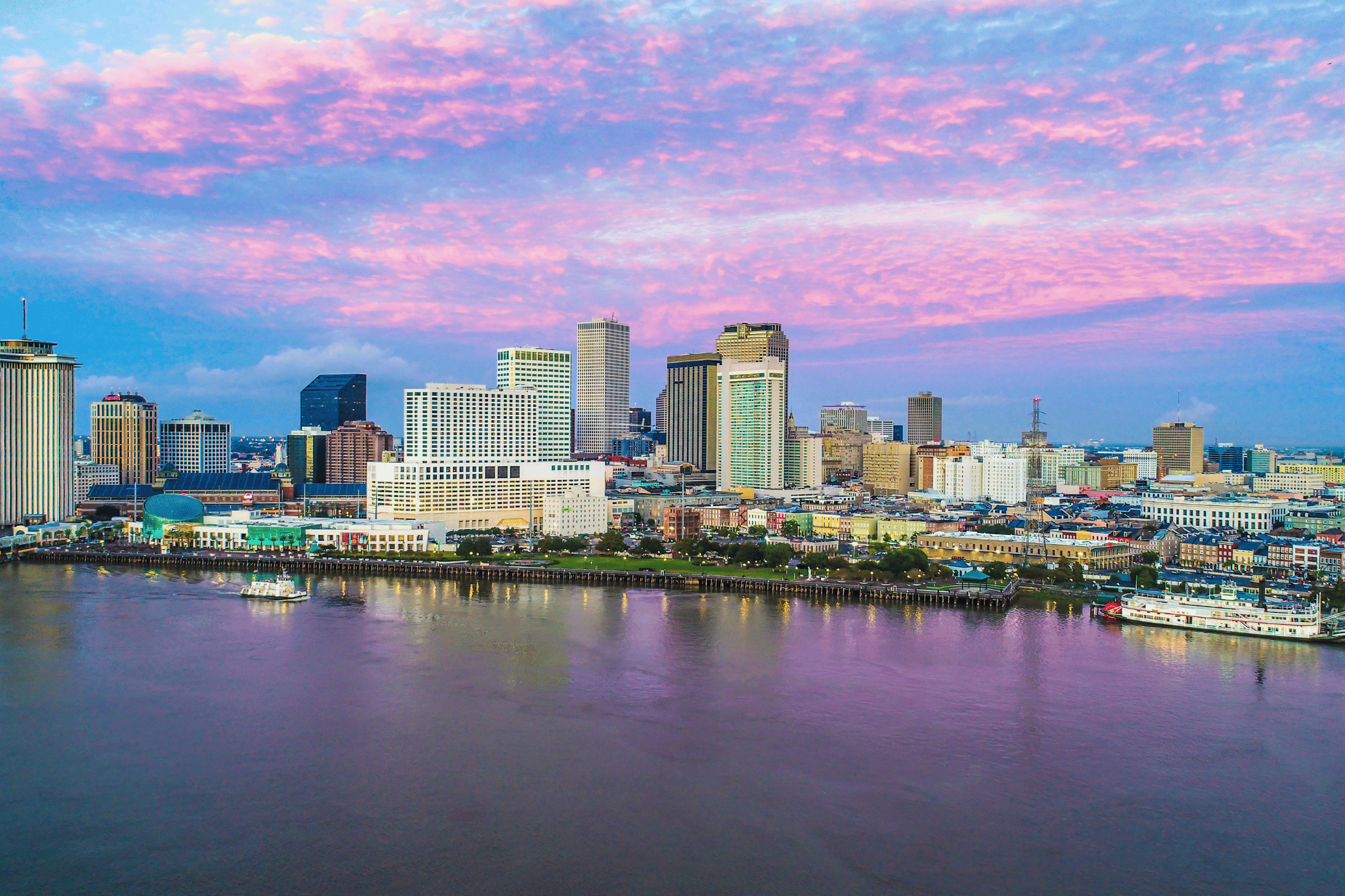
Port NOLA occupies a prime position along the Mississippi River, strategically located to serve as America's gateway between the Gulf coast and the nation's interior waterways. This massive maritime facility spans multiple locations throughout the Greater New Orleans area, with operations extending from the downtown area to outlying parishes. The port's unique geography allows it to handle both deep-water ocean vessels and shallow-draft river barges, making it a crucial link in the nation's transportation network.
The Orleans port serves not just Louisiana but acts as a critical hub for cargo moving throughout the central United States via an extensive rail and barge system. Its location provides unparalleled access to 14,500 miles of navigable waterways, connecting 33 states to international markets through the Gulf Of Mexico.
The Sixth Largest Cruise Port In America
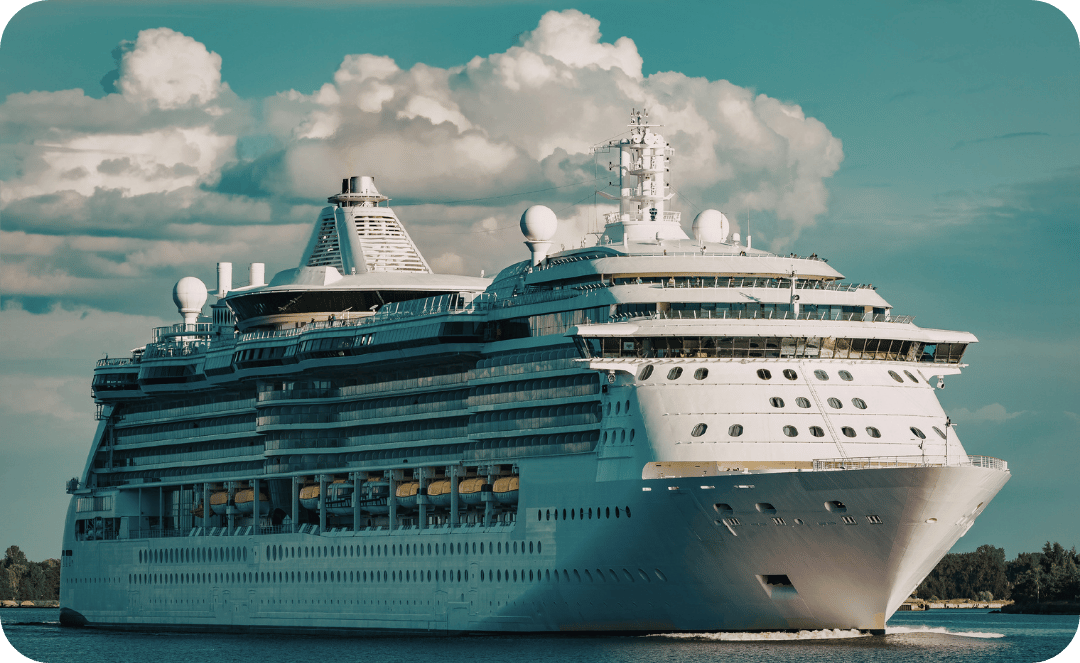
The New Orleans port has earned its reputation as the sixth largest cruise port in the United States, welcoming hundreds of thousands of cruise passengers annually. This designation reflects the port's exceptional facilities and its appeal as both a departure point and destination for travelers seeking authentic Southern hospitality and culture.
Cruise passengers benefit from the port's proximity to New Orleans' most famous attractions, with things to do in New Orleans just minutes away from the terminals. The port's success stems from its ability to offer travelers immediate access to the French Quarter, world-renowned cuisine, and the vibrant music scene that defines the city.
Cruise Terminals And Facilities
Julia Street Cruise Terminal
The Julia Street Cruise Terminal represents one of the most modern facilities within the Port Of New Orleans complex. This state-of-the-art terminal provides cruise passengers with seamless embarkation and disembarkation experiences, featuring climate-controlled waiting areas and efficient processing systems. Located in the heart of the Warehouse District, passengers enjoy immediate access to some of New Orleans' finest dining and entertainment options.
The terminal's design prioritizes passenger comfort and operational efficiency, with dedicated areas for baggage handling and customs processing. Its strategic location allows easy access to downtown accommodations and attractions, making it a preferred departure point for many cruise lines serving the Gulf region.
Erato Street Cruise Terminal
The Erato Street Cruise Terminal serves as another vital component of the port's cruise operations, handling a significant portion of the annual passenger traffic. This facility offers modern amenities while maintaining the historic character that defines New Orleans' waterfront. The terminal's location provides excellent connectivity to the Central Business District and surrounding neighborhoods.
Passengers utilizing the Erato Street Cruise Terminal benefit from streamlined operations and convenient ground transportation options. The facility's design accommodates large vessels while ensuring smooth passenger flow during peak embarkation periods.
Louisiana International Terminal
Beyond cruise operations, the Louisiana International Terminal handles significant containerized cargo volumes, supporting the region's commercial maritime industry. This facility demonstrates the port's dual role as both a passenger gateway and commercial hub. The terminal's advanced cargo handling capabilities support thousands of jobs throughout the region while facilitating international trade.
The Louisiana International Terminal's operations extend far beyond the immediate New Orleans area, serving as a distribution point for goods destined for markets across North America. Its sophisticated logistics network connects ocean shipping with inland transportation systems, creating economic opportunities throughout Louisiana and beyond.
Transportation And Getting Around
Free Shuttle Service And Parking Areas
Port NOLA provides comprehensive ground transportation options, including free shuttle service connecting terminals to key destinations throughout the city. These shuttle systems ensure cruise passengers can easily access downtown attractions, hotels, and other points of interest without the need for personal vehicles. The port maintains extensive parking areas for passengers who choose to drive, with secure facilities designed to accommodate extended cruise durations.
The parking areas feature modern security systems and convenient access to terminal buildings, making the transition from car to ship as smooth as possible. Additional transportation options include taxi services, rideshare platforms, and public transit connections that extend throughout the Greater New Orleans metropolitan area.
Rail And Barge Transportation
The port's multimodal transportation capabilities include extensive rail connections that link New Orleans to markets across the United States. Major rail networks converge at the port, enabling efficient movement of both passengers and cargo to destinations throughout the country. This rail infrastructure supports the port's role as a critical link in America's transportation chain.
Barge operations represent another crucial component of the port's transportation network. The Mississippi River system allows barges to transport goods between the port and inland destinations as far north as Minnesota. This inland waterway system provides cost-effective transportation for bulk commodities while reducing pressure on highway and rail systems.
Getting To Downtown New Orleans
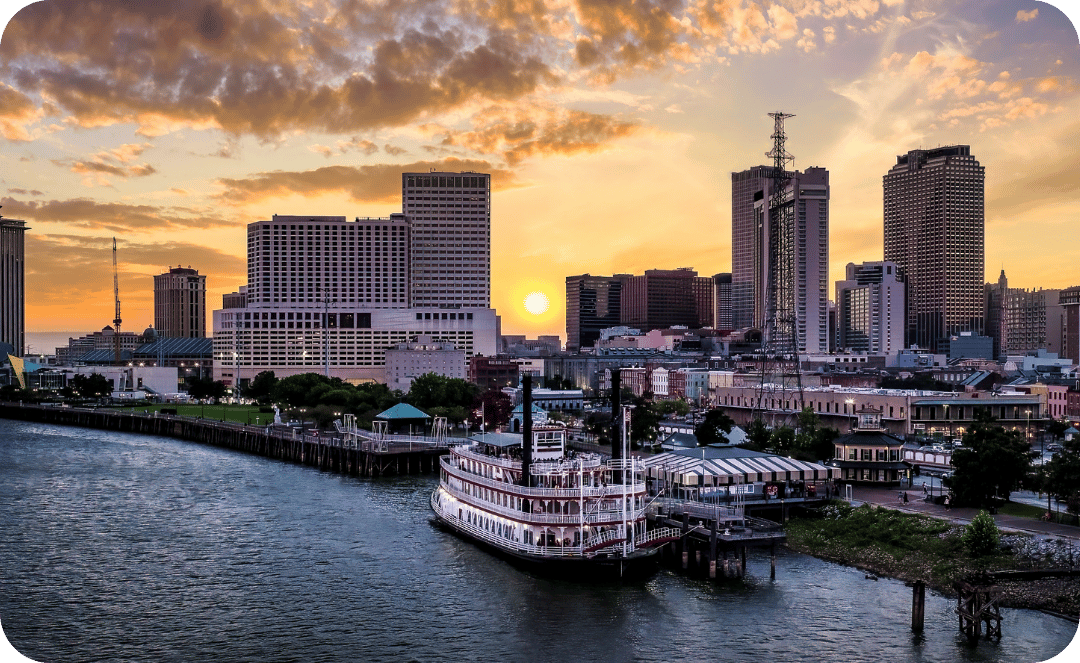
The port's proximity to downtown New Orleans creates exceptional convenience for visitors. Tchoupitoulas Street provides direct access from the port area to the heart of the city, while multiple transportation options ensure easy movement between terminals and popular destinations. The short distance to downtown means passengers can quickly immerse themselves in New Orleans' unique culture and attractions.
Public transportation, including streetcar lines, connects the port area to neighborhoods throughout the city. This connectivity allows visitors to explore diverse areas ranging from the historic French Quarter to the trendy Arts District without the need for personal vehicles.
The Maritime Industry And Commerce
Port NOLA Operations
Port NOLA operates as one of the most efficient maritime facilities in the United States, handling millions of tons of cargo annually while maintaining exceptional safety and environmental standards. The port's operations support diverse industries, from agricultural exports to manufactured goods, creating a vital economic engine for Louisiana and the broader Gulf Coast region.
The port's strategic depth allows it to accommodate the largest vessels in the global fleet, while its modern facilities ensure efficient cargo handling. These capabilities position Port NOLA as a preferred destination for international shipping companies seeking reliable access to American markets.
Containerized Cargo And Commerce
The movement of containerized cargo through Port NOLA supports commerce throughout North America's heartland. The port's container facilities feature state-of-the-art equipment and systems designed to handle the most demanding shipping requirements. This infrastructure enables businesses across the region to compete effectively in global markets while supporting local employment and economic growth.
Container operations at the port continue to expand, reflecting growing demand for efficient cargo handling in the Gulf region. These facilities serve as crucial links between international suppliers and American consumers, facilitating trade relationships that benefit communities throughout Louisiana and beyond.
Economic Impact And Jobs
The port's operations generate thousands of direct and indirect jobs throughout the Greater New Orleans area, supporting families and communities across the region. From stevedores and crane operators to logistics coordinators and administrative staff, the maritime industry provides diverse employment opportunities while contributing significantly to the local economy.
Economic studies consistently demonstrate the port's outsized impact on regional growth and development. The facility's operations generate tax revenue that supports public services while attracting additional businesses and industries that benefit from access to international markets and transportation networks.
Planning Your Stay Near The Port
Best Neighborhoods For Cruise Passengers
Visitors to the Port Of New Orleans have access to some of the city's most exciting neighborhoods, each offering unique attractions and accommodations. The Warehouse District provides upscale dining and entertainment options within walking distance of cruise terminals, while the Central Business District offers convenient access to hotels and business facilities.
For those seeking New Orleans vacation rentals, the surrounding neighborhoods provide diverse options ranging from historic properties to modern amenities. These accommodations offer the space and comfort that traditional hotels cannot match, particularly for families and groups arriving for extended visits.
Exploring The Mississippi River And Gulf Coast
The port's location on the Mississippi River provides unique opportunities to explore one of America's most important waterways. River tours and excursions allow visitors to appreciate the port's role in the broader transportation network while enjoying scenic views of the New Orleans skyline and surrounding wetlands.
The proximity to the Gulf Of Mexico opens additional recreational and educational opportunities. Day trips to coastal areas provide insights into Louisiana's unique ecosystem while offering chances to experience the region's famous seafood and cultural traditions. These excursions complement the urban attractions of New Orleans with natural beauty and outdoor activities.
Frequently Asked Questions
What Is Orleans Place And How Do I Find It?
Orleans place refers to various locations and addresses throughout the New Orleans area related to port operations and nearby attractions. When navigating to specific Orleans address locations, using GPS navigation with the complete New Orleans place designation ensures accurate directions. The port area includes multiple streets and locations, so confirming your exact destination helps avoid confusion.
Is There A Free Shuttle Service From The Port?
Yes, the Port Of New Orleans provides free shuttle service connecting cruise terminals to key downtown destinations. This complimentary transportation helps passengers access popular attractions, hotels, and the Central Business District without additional cost. The shuttle operates on regular schedules during cruise ship arrivals and departures.
Where Are The Parking Areas Located?
Extensive parking areas surround the cruise terminals, with secure facilities designed for both short-term and extended stays. These parking facilities provide convenient access to terminal buildings while offering security features for passenger peace of mind. Advance reservations are recommended during peak cruise seasons.
How Do I Get To Henderson St And Other Downtown Locations?
Henderson st and other downtown destinations are easily accessible from the port via multiple transportation options including taxis, rideshares, and public transit. The port's location provides quick access to the business district and tourist areas, with most destinations reachable within 15-20 minutes.
What Rail And Train Connections Are Available?
The port connects to major rail networks serving destinations across the United States, with train service linking New Orleans to cities including Chicago and other major metropolitan areas. These rail connections support both passenger and freight transportation, making the port a multimodal hub for regional and national travel.
How Does The Port Support The Local Community?
The Port Of New Orleans creates significant economic demand throughout the region, supporting local business development and providing diverse employment opportunities. The facility's operations require extensive support services, creating a network of businesses and jobs that extend far beyond the port itself. This economic activity helps sustain communities across Bernard Parish and the Greater New Orleans area.