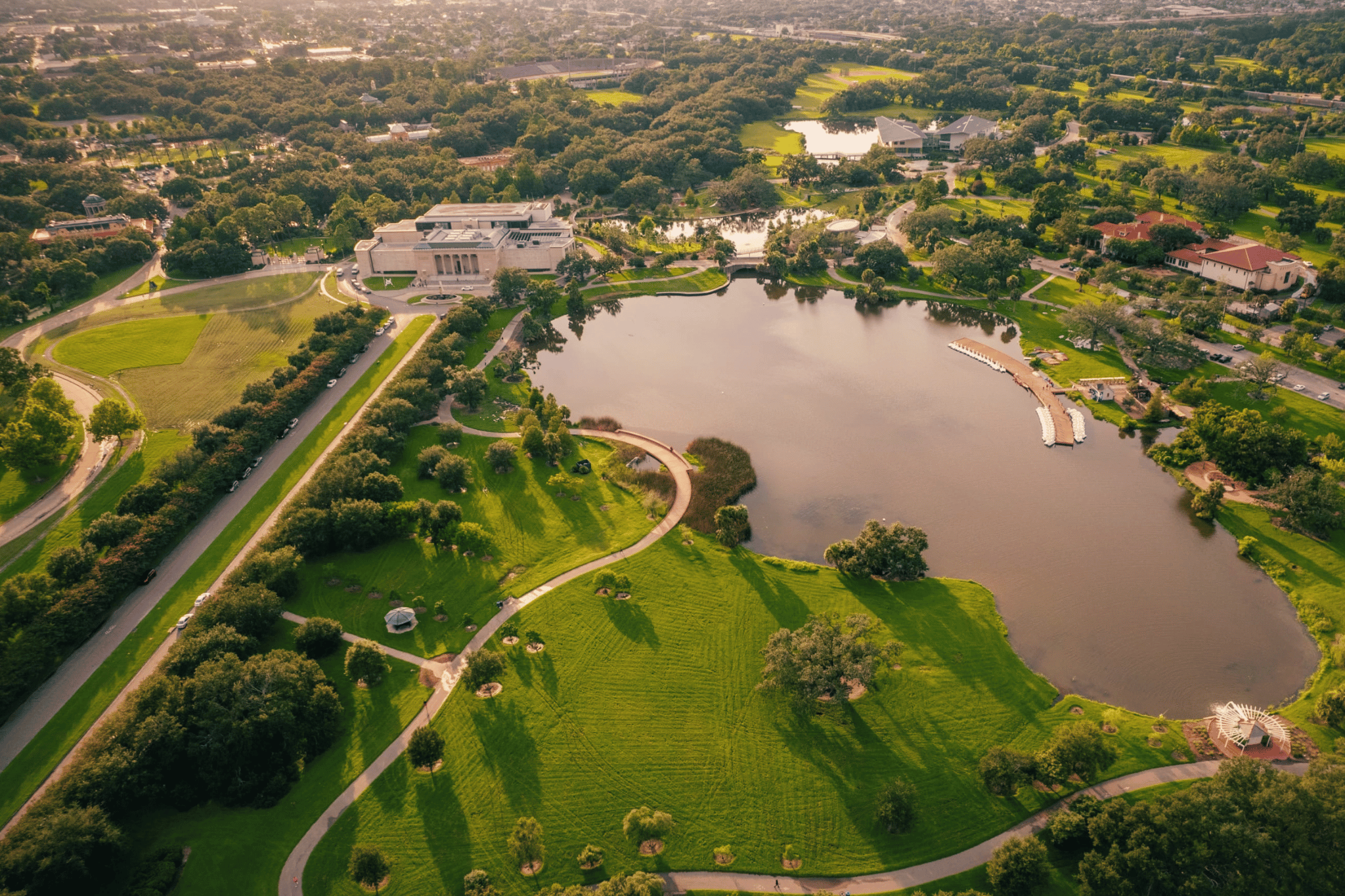
New Orleans pulses with an energy that goes far beyond the well-trodden tourist trails. While millions of visitors flock to the same handful of attractions each year, the real magic of this incredible city happens in the spaces where locals actually live, eat, and create. If you're ready to explore the authentic heart of the Big Easy, you've come to the right place.
TLDR
• Explore authentic neighborhoods: The Garden District, Magazine Street, and local parks offer genuine New Orleans experiences away from tourist crowds
• Discover local food culture: Amazing dinner spots and neighborhood coffee shops provide superior cuisine without the tourist markup or long lines
• Connect with the arts community: Local galleries, music venues, and cultural spaces showcase the creative spirit that makes New Orleans special
• Experience seasonal celebrations authentically: Participate in neighborhood Mardi Gras events and year-round community activities where locals actually gather
Ready to Experience the Real New Orleans?
Skip the crowded tourist traps and discover what makes New Orleans truly magical. When you stay in authentic neighborhoods with Roami, you're not just visiting—you're living like a local. Our spacious vacation rentals put you right in the heart of genuine New Orleans communities, where you can walk to neighborhood cafes, support local artists, and experience the city's authentic rhythm.
Book your New Orleans adventure with Roami and start exploring the hidden gems that make this city unforgettable.
Beyond the Beaten Path: Why New Orleans' Local Scene Matters
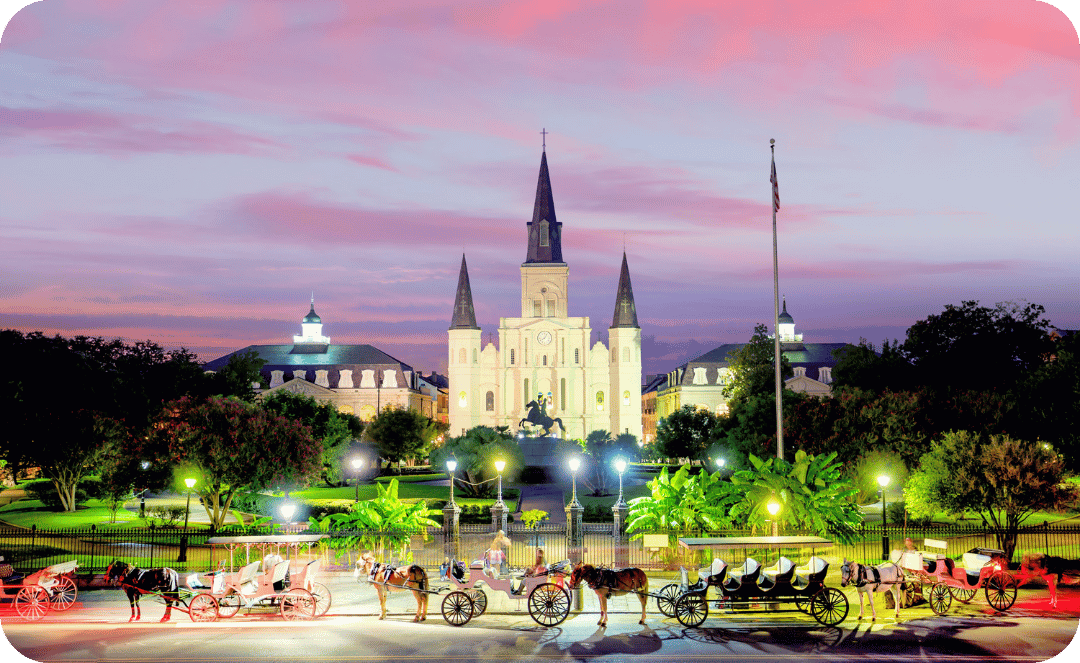
What Makes New Orleans Unique for Locals and Visitors Alike
The true spirit of New Orleans lies not in its most famous attractions, but in the everyday rhythms of a city that has perfected the art of living well. When you venture off the beaten path, you discover a community rich with tradition, creativity, and genuine hospitality. Local neighborhoods pulse with their own distinct personalities, each offering visitors a chance to experience the authentic culture that makes this city so special.
Every corner of New Orleans tells a different story. From the tree-lined streets where families have lived for generations to the small businesses that have become neighborhood institutions, the city rewards those who take time to explore beyond the obvious. This approach transforms a simple trip into something much more meaningful—a genuine connection with one of America's most distinctive cities.
Explore Hidden Gems in the Garden District and New Orleans Garden District
Magazine Street: A Local Shopping Paradise
Magazine Street stretches for six miles through the heart of New Orleans, offering one of the most authentic shopping experiences in the city. Unlike the tourist-focused shops elsewhere, this bustling thoroughfare showcases local artists, vintage treasures, and unique finds you won't discover anywhere else. The street feels alive with the energy of people who actually live here—a great spot to witness the city's creative community in action.
Locals know that Magazine Street changes personality as you walk its length. The Lower Garden District section buzzes with trendy cafes and art galleries, while the Garden District proper offers antique shops housed in beautiful historic buildings. Each block presents new discoveries, from handcrafted jewelry to books by local authors. You'll find everything from tea towels featuring New Orleans motifs to one-of-a-kind pieces by emerging artists.
The best way to experience Magazine Street is to plan for a leisurely afternoon. Stop for coffee at a neighborhood cafe, browse the eclectic mix of shops, and strike up conversations with store owners who are passionate about their craft. Many stores feature work by local artists, giving you a chance to take home something truly special while supporting the creative community that gives New Orleans its distinctive character.
Amazing Architecture Away from the Crowds
The Garden District showcases some of the most stunning residential architecture in America, yet many visitors never venture beyond the main thoroughfares. Local residents are proud of their neighborhoods, and a walking tour through the quiet streets reveals architectural treasures that tell the story of the city's evolution.
These tree-shaded blocks feature magnificent mansions built in the 19th century, each with its own architectural personality. Greek Revival, Italianate, and Victorian styles blend seamlessly, creating streetscapes that feel like outdoor museums. The amazing architecture here represents not just beautiful design, but the stories of families and communities that have shaped New Orleans over generations.
What makes exploring these neighborhoods so rewarding is the sense of discovery. Unlike tourist areas where every building has a plaque, here you're free to appreciate the beauty on its own terms. The ornate ironwork, expansive porches, and lush gardens create an atmosphere that feels both grand and intimate—a perfect representation of New Orleans' ability to balance elegance with approachability.
For those interested in things to do in the Garden District, the area offers much more than just beautiful houses, including local cafes, galleries, and community spaces that welcome visitors.
City Park: New Orleans' Local Favorite Escape
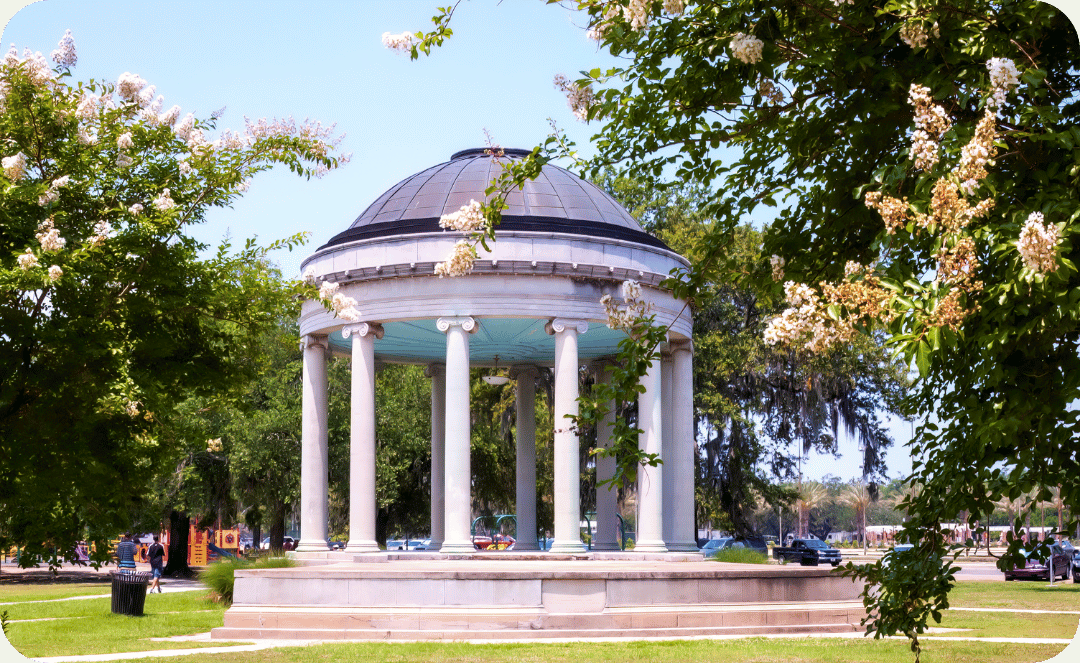
Audubon Park: Where Locals Go to Unwind
Audubon Park serves as the city's backyard, a place where locals come to exercise, socialize, and escape the intensity of urban life. This expansive green space feels worlds away from the bustling streets, offering everything from jogging trails to peaceful spots for reading under ancient oak trees.
The park's crown jewel is the collection of majestic live oaks, some over 200 years old, their massive branches creating natural cathedral spaces perfect for contemplation. Locals bring their families here for weekend picnics, walk their dogs along the scenic paths, and gather with friends for impromptu games of frisbee or soccer.
What makes Audubon Park special is how naturally it integrates into the daily rhythm of New Orleans life. You'll see everyone from university students studying under the trees to elderly couples taking their evening stroll. The park hosts community events throughout the year, from outdoor concerts to art fairs, creating opportunities for visitors to mingle with locals and experience the genuine warmth of New Orleans hospitality.
Fun Ways to Experience Nature in the Big Easy
Beyond the famous parks, New Orleans offers numerous fun ways to connect with nature that most tourists never discover. The city sits between the Mississippi River and Lake Pontchartrain, creating unique ecosystems that support an incredible variety of plant and animal life.
Local nature enthusiasts know that the best swamp tours happen away from the heavily promoted tourist operations. Smaller, locally-owned tour companies offer more intimate experiences where you can actually learn about the delicate balance of these wetland ecosystems. These tours often include opportunities to spot alligators, herons, and other wildlife in their natural habitat.
The Mississippi River itself provides endless opportunities for exploration. Local residents often recommend visiting the riverfront at different times of day to experience how the light changes the character of this mighty waterway. Early morning and late afternoon offer particularly stunning views, with the river serving as a constant reminder of New Orleans' connection to the broader American landscape.
Discover Authentic Southern Cuisine Off the Tourist Trail
Amazing Dinner Spots Locals Love
New Orleans' reputation for incredible food extends far beyond the restaurants featured in every guidebook. The city's most amazing dinner experiences often happen in neighborhood establishments where local families have been gathering for generations. These restaurants focus on perfection rather than publicity, creating dishes that represent the true soul of southern cuisine.
Local residents have their favorite spots in every neighborhood—small restaurants where the menu might change based on what's fresh that day, and where the chef knows regular customers by name. These establishments often specialize in particular dishes or cooking techniques, becoming neighborhood institutions that represent the best of New Orleans' culinary tradition.
What sets these local favorites apart is their commitment to authenticity. The recipes often pass down through families, and the techniques remain unchanged from generation to generation. You'll taste the difference immediately—flavors that are deeper, more complex, and more satisfying than what you'll find in tourist-focused establishments.
Where to Find the Perfect Frozen Cafe Au Lait
While visitors stand in long lines at Cafe Du Monde, locals know numerous other places to experience the perfect frozen cafe au lait without the crowds. These neighborhood coffee shops treat this iconic New Orleans beverage as an art form, creating versions that often surpass the tourist standard.
Local coffee culture in New Orleans runs deep, with each neighborhood supporting independent cafes that have developed their own loyal followings. These establishments often source their beans from local roasters and experiment with traditional recipes to create unique variations. The frozen cafe au lait becomes not just a drink, but a way to connect with the community and experience the city's laid-back rhythm.
The best part about seeking out these local coffee spots is the atmosphere. Instead of fighting crowds of tourists, you'll find yourself sitting alongside residents who are reading the morning paper, catching up with friends, or simply enjoying a quiet moment before starting their day. It's these small interactions that transform a simple coffee break into a genuine New Orleans experience.
Local Arts, Music, and Culture Beyond Bourbon Street
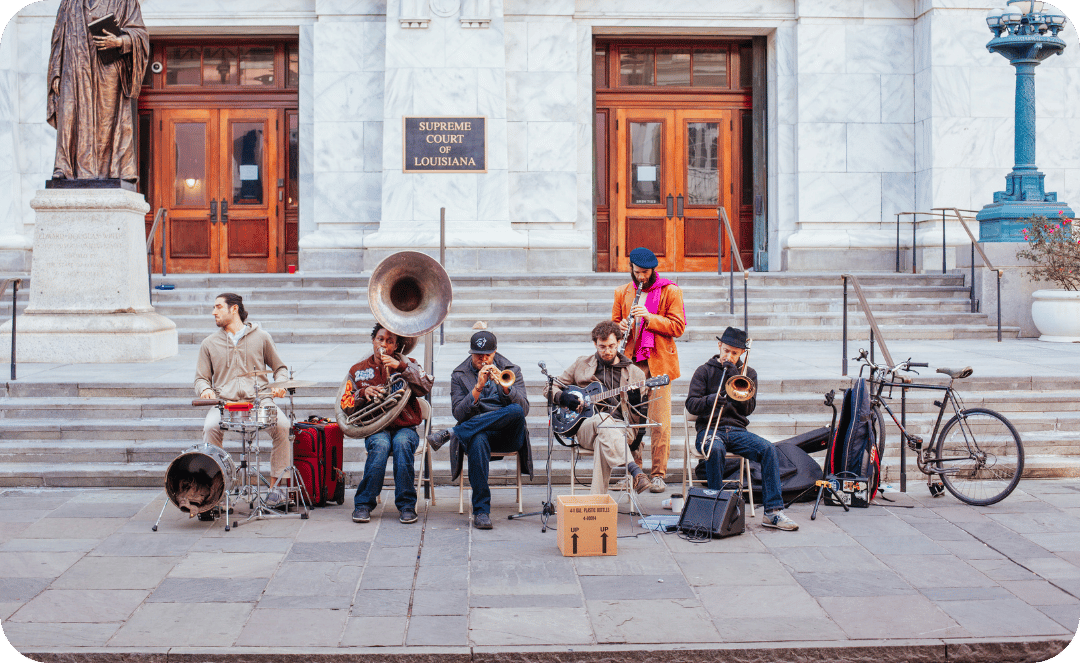
Supporting Local Artists and Community Spaces
New Orleans' artistic community thrives in neighborhood galleries, community centers, and alternative venues that most visitors never discover. These spaces showcase the incredible creativity that flows through the city, offering opportunities to purchase original artwork while directly supporting the artists who create it.
Local art scenes cluster around specific neighborhoods, each with its own personality and focus. Some areas specialize in traditional New Orleans themes, while others push boundaries with contemporary work that challenges expectations. Visiting these spaces provides insight into how the city's creative community interprets both its historic legacy and its evolving identity.
Community art spaces often host events that welcome both locals and visitors—opening receptions, artist talks, and collaborative projects that invite participation. These events provide natural opportunities to meet people who are passionate about New Orleans culture and willing to share their knowledge with interested travelers.
Live Jazz and Live Music in Neighborhood Venues
While tourists pack the famous music venues on Bourbon Street, locals know that the city's best live music happens in smaller neighborhood clubs and community spaces. These venues offer intimate settings where you can actually hear the music clearly and often interact with the musicians themselves.
The live jazz scene extends throughout the city, with different neighborhoods supporting different styles and approaches to the music. Some venues focus on traditional jazz, while others embrace fusion, blues, or contemporary interpretations of classic New Orleans sounds. This diversity means that music lovers can find exactly the type of experience they're seeking.
What makes the local music scene so special is its accessibility. Musicians often play multiple venues throughout the week, creating a circuit that allows devoted fans to follow their favorite artists. The sense of community is strong, with audience members who know each other and musicians who genuinely appreciate their local following.
For those interested in experiencing more of what the city offers after dark, New Orleans nightlife extends far beyond the tourist districts, offering authentic entertainment in neighborhood venues.
Authentic New Orleans Experiences by Neighborhood
French Quarter Secrets Most Visitors Miss
Even within the French Quarter, locals know secret spots and hidden corners that escape most tourist attention. These discoveries require slowing down and paying attention to details that rushed visitors often overlook—small courtyards, historic plaques, and architectural elements that tell deeper stories about the city's complex history.
The best way to uncover these French Quarter secrets is to explore during different times of day. Early morning offers peaceful streets perfect for photography and contemplation. Late afternoon provides beautiful light for appreciating architectural details. Each time period reveals different aspects of this historic neighborhood.
Local residents who live in or frequent the French Quarter know which streets offer the most interesting discoveries, which courtyards welcome respectful visitors, and which local businesses represent authentic New Orleans culture rather than tourist-focused enterprises. These insights transform a walk through familiar territory into an exploration of hidden treasures.
For visitors planning to stay in the area, vacation rentals in the French Quarter provide an opportunity to experience the neighborhood like a temporary resident rather than a tourist.
Exploring Canal Street Like a Local
Canal Street serves as one of New Orleans' main arteries, but locals use it differently than visitors who simply pass through on their way to tourist destinations. This broad boulevard offers shopping, dining, and cultural experiences that reflect the city's contemporary character while honoring its historic roots.
The street divides the French Quarter from the Central Business District, creating a unique position where different aspects of New Orleans culture intersect. Locals shop at stores that have served the community for decades, eat at restaurants that specialize in particular regional dishes, and use Canal Street as a meeting place for friends and family.
Understanding Canal Street from a local perspective means appreciating its role as a genuine commercial and social hub rather than just a tourist thoroughfare. The businesses here serve real community needs, and the rhythm of activity reflects the actual patterns of New Orleans life rather than visitor expectations.
Seasonal Activities and Local Events
Mardi Gras: Experiencing It Like a Local
Mardi Gras represents the ultimate example of how local and tourist experiences can differ dramatically. While visitors focus on the famous parades and Bourbon Street celebrations, locals participate in a much richer tradition that includes neighborhood events, family gatherings, and community celebrations that extend throughout the season.
Local Mardi Gras celebrations often center around specific neighborhoods, with residents decorating their homes, organizing block parties, and creating their own small-scale parades. These intimate celebrations capture the true spirit of the holiday—community, creativity, and joy shared among people who know and care about each other.
The best way to experience authentic Mardi Gras is to connect with local residents who can introduce you to neighborhood celebrations, explain the traditions behind different aspects of the holiday, and help you understand the cultural significance that extends far beyond the party atmosphere.
Cool Places to Visit Year-Round
New Orleans' appeal extends throughout all seasons, with locals knowing cool places that offer different experiences depending on the time of year. The city's subtropical climate means that outdoor activities remain viable year-round, though the character of these experiences changes with the weather.
During cooler months, locals gravitate toward parks and outdoor markets that become more comfortable for extended visits. Warmer weather brings different opportunities—outdoor concerts, waterfront activities, and neighborhood festivals that take advantage of New Orleans' vibrant street culture.
The key to experiencing New Orleans like a local is understanding that the city operates on its own rhythm, one that prioritizes quality of life, community connection, and cultural expression over the rushed pace that characterizes many tourist experiences. When you slow down and participate in this rhythm, you discover the authentic character that makes New Orleans truly special.
For those planning visits during the warmer months, summer activities in New Orleans offers additional insights into seasonal experiences that locals especially enjoy.
Local shopping extends beyond Magazine Street to neighborhood boutiques and markets throughout the city. Where to shop in New Orleans provides comprehensive guidance for finding unique items while supporting local businesses.
Frequently Asked Questions
How can I find the best local restaurants that aren't mentioned in guidebooks?
Ask locals for recommendations, especially people who work in hospitality or service industries. They often know amazing hole-in-the-wall spots where the food is exceptional but the marketing budget is nonexistent. Look for places where you see local families eating together, especially during weekend dinner hours. These restaurants typically focus their energy on cooking rather than promotion, resulting in meals that showcase authentic southern cuisine without tourist markup.
What's the best way to discover hidden gems and avoid tourist traps?
Venture into residential neighborhoods during the day when locals are going about their daily routines. Strike up conversations at coffee shops, farmers markets, and local bookstores—people who choose to live in New Orleans are usually passionate about their city and happy to share recommendations. Avoid places with aggressive street-level promotion or menus in multiple languages, which often indicate tourist-focused operations rather than authentic local establishments.
Are there specific areas of the city where I can experience authentic culture without crowds?
The Bywater, Marigny, and residential sections of the Garden District offer authentic cultural experiences with far fewer crowds than the French Quarter or Bourbon Street. These neighborhoods maintain their local character while welcoming respectful visitors. Visit during weekday afternoons or weekend mornings when locals are relaxed and have time for conversations that can lead to insider recommendations and genuine cultural exchange.
How do I respectfully explore local neighborhoods without being intrusive?
Support local businesses by eating at neighborhood restaurants, shopping at independently owned stores, and visiting community art spaces that welcome visitors. Be genuinely curious about the history and culture rather than just seeking photo opportunities. Engage with residents naturally—ask questions about the neighborhood, compliment local art or architecture, and show appreciation for the community you're visiting rather than treating it as a backdrop for your vacation.
What should I know about New Orleans etiquette when visiting local establishments?
New Orleans culture values politeness, patience, and genuine interaction. Take time to greet people properly, don't rush servers or shopkeepers, and show interest in their recommendations. Many local businesses operate at a more relaxed pace than you might expect—this isn't inefficiency, it's part of the city's cultural identity. Tipping is particularly important in service industries, and showing appreciation for good service helps maintain the welcoming atmosphere that makes local establishments special.
Can I experience authentic New Orleans music and art without going to tourist venues?
Absolutely! Check local newspapers and community boards for neighborhood concerts, gallery openings, and art events that cater to residents rather than tourists. Many of the city's most talented musicians perform regularly at small venues throughout different neighborhoods. Art galleries in residential areas often feature local artists and host community events where you can meet creators and learn about New Orleans' contemporary cultural scene while supporting the local art community.