New Orleans food tours offer an extraordinary way to experience the rich culinary heritage of this vibrant historic city. From the bustling streets of the French Quarter to the charming Garden District, these guided culinary adventures showcase the unique food culture that makes New Orleans one of America's greatest food destinations. Whether you're craving authentic po-boys, traditional gumbo, or iconic muffaletta sandwiches, a food tour provides the perfect introduction to the flavors that define this remarkable city.
TLDR
• New Orleans food tours showcase the city's unique Creole cuisine, blending French, Spanish, African, and Caribbean influences in a three-hour walking experience
• Popular tour routes include the French Quarter's historic streets, the elegant Garden District, and Magazine Street's local favorites
• Essential tastings include po-boys, muffaletta sandwiches, gumbo, crawfish etouffée, and sweet treats from legendary establishments
• Tours offer both group walking experiences and private options, with some focusing on cocktail pairings alongside food
Ready to Experience New Orleans Like a Local?
After working up an appetite on one of these incredible food tours, you'll want the perfect home base to continue exploring all that New Orleans has to offer. Roami's spacious vacation rentals provide the ideal retreat where you can rest between culinary adventures, store any local specialties you've discovered, and plan your next day of exploration. With fully equipped kitchens, you can even try recreating some of the flavors you've experienced on your food tours.
Book your New Orleans stay with Roami and immerse yourself in the city's incredible food culture while enjoying the comfort and convenience of a true home away from home.
Why New Orleans Food Tours Are a Must-Do Experience
.png)
New Orleans stands apart as a culinary destination where Creole cuisine meets centuries of cultural tradition. The city's food scene reflects its complex history, blending French, Spanish, African, and Caribbean influences into something uniquely its own. A walking food tour allows you to taste your way through this incredible heritage while learning the interesting stories behind each dish.
The Orleans experience goes far beyond just eating—it's about understanding how food connects to New Orleans culture and Orleans history. Expert tour guides share fascinating tales about how iconic dishes like crawfish etouffée and locally owned restaurant traditions developed over generations. This wonderful tour format lets you discover hidden gems alongside tourist favorites, ensuring you experience both amazing food and the authentic spirit of New Orleans.
Food tour experiences typically last around three hours, giving you plenty of time to sample delicious food while exploring historic streets. Most tours operate in small groups, creating an intimate atmosphere where you can ask questions and truly connect with the local food culture. Whether it's your first visit or you're a seasoned traveler, these tours reveal new layers of this great city's culinary landscape.
Types of Food Tours to Explore in New Orleans
Walking Food Tours Through the French Quarter
The French Quarter serves as the heart of most New Orleans food tours, and for good reason. This historic neighborhood houses some of the city's most beloved eateries, from century-old establishments to innovative new kitchens. A walking food tour through these storied streets takes you past Jackson Square, down Royal Street, and through the bustling French Market, where vendors have been serving locals and visitors for generations.
Explore the French Quarter to discover architectural marvels between food stops, as many tours combine culinary tastings with historical insights. The walkable layout makes it perfect for leisurely strolling while sampling everything from beignets at famous cafés to innovative takes on traditional Creole cuisine. Most walking food tours cover several blocks, ensuring you see different facets of this iconic neighborhood.
Private Food Tour Experiences
For those seeking a more personalized Orleans food tour, private options provide flexibility and customization. Private tours allow you to set the pace, spend extra time at favorite spots, and often include access to restaurants that might not accommodate larger groups. These intimate experiences work particularly well for special occasions or when you have specific dietary preferences.
Private food tour guides can tailor the experience to your interests, whether you want to focus on historic establishments, cutting-edge cuisine, or specific types of dishes. This format also allows for deeper conversations about New Orleans history and culture, creating connections that extend beyond just the food itself.
Cocktail Tours and Culinary Combinations
New Orleans' legendary cocktail culture pairs perfectly with its food scene, making cocktail tours an exciting variation on traditional food tours. These experiences might include stops at historic bars where classic drinks like the Sazerac were invented, combined with food pairings that showcase how beverages complement local flavors.
Some tours focus specifically on the relationship between food and drink in New Orleans culture, exploring how certain dishes traditionally pair with specific cocktails. This approach provides insight into the social aspects of dining in the city, where meals often extend into lengthy, convivial affairs.
Top Food Tour Routes and Neighborhoods
French Quarter Food Adventures
The French Quarter remains the most popular starting point for New Orleans tours, offering incredible diversity within a compact area. Tours typically begin near Jackson Square and wind through the narrow streets, stopping at establishments that range from tourist favorites like Café Du Monde to hidden gems known primarily to locals.
The quarter's layout allows tours to showcase different types of cuisine within walking distance. You might sample traditional po-boys from a century-old shop, then move on to modern interpretations of classic dishes at innovative restaurants. The historic setting adds atmosphere to every bite, as you're eating where generations of New Orleanians have gathered to enjoy great food.
Garden District Culinary Discoveries
While less common than French Quarter tours, Garden District food experiences offer a different perspective on the city's cuisine. This elegant neighborhood features restaurants housed in beautiful historic buildings, often with more upscale takes on traditional dishes.
Garden District food tours typically move at a more relaxed pace, allowing time to appreciate both the cuisine and the stunning architecture. The tree-lined streets provide a pleasant walking environment, and the neighborhood's restaurants often have interesting stories about how they've evolved with the community over time.
Magazine Street and Local Favorites
Magazine Street stretches for miles through several neighborhoods, hosting an eclectic mix of eateries that reflect the diversity of New Orleans' food culture. Tours focusing on this area often emphasize locally owned establishments that might not appear in typical tourist guides but serve exceptional food to neighborhood residents.
This route allows you to experience how New Orleanians actually eat on a daily basis, beyond the dishes that appear on every tourist menu. You'll discover favorite spots where locals gather for lunch, innovative chefs experimenting with traditional recipes, and family-run establishments that have been serving the community for generations.
Iconic New Orleans Dishes You'll Discover on Food Tours
Po Boys and Muffaletta Sandwiches
No orleans food tour would be complete without sampling the city's legendary sandwiches. Po boys, served on distinctive New Orleans French bread, come in countless varieties—from classic fried oyster to innovative modern interpretations. The best restaurants take pride in their bread, which should be crispy outside and fluffy inside, providing the perfect vehicle for generous fillings.
Muffaletta sandwiches represent another cornerstone of New Orleans cuisine, featuring layers of Italian cold cuts and cheese topped with a distinctive olive salad. Originally created by Italian immigrants, these substantial sandwiches showcase how different cultural influences have shaped the city's food landscape over generations.
Gumbo and Crawfish Etouffée
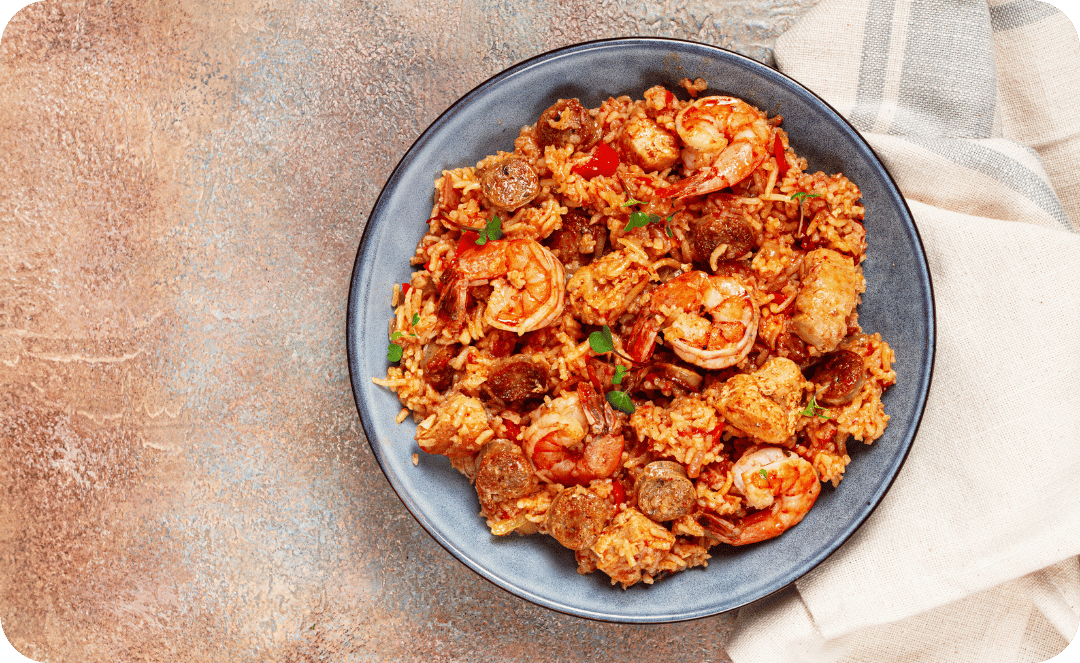
These quintessential Louisiana dishes appear on virtually every food tour, though preparations vary significantly between restaurants. Gumbo reflects the complex cultural mixing that defines New Orleans, with recipes that might include okra, filé powder, and various proteins depending on family traditions and seasonal availability.
Crawfish etouffée represents the influence of Cajun cuisine on New Orleans cooking, featuring tender crawfish in a rich, roux-based sauce typically served over rice. Food tours often highlight how these dishes connect to the Mississippi River and Louisiana's coastal geography, where fresh seafood has always been central to local cooking.
Sweet Treats from Café Du Monde
While Café Du Monde garners the most attention for beignets and coffee, food tours often introduce you to other sweet traditions throughout the city. From pralines made with local pecans to bread pudding with whiskey sauce, New Orleans desserts reflect both French pastry traditions and creative American adaptations.
Many tours time their visits to sweet spots strategically, using dessert as a palate cleanser between savory tastings or as a satisfying finale to the culinary journey. Local pastry shops often have their own specialties that provide delicious alternatives to the most famous tourist destinations.
What Makes New Orleans' Food Culture Unique
New Orleans' food culture stands apart because of its deep historical roots and continued evolution. Unlike many American cities where food trends come and go, New Orleans maintains strong connections to traditional recipes while embracing innovation. This balance creates a dynamic food scene where century-old establishments operate alongside cutting-edge restaurants, all contributing to the city's distinctive cuisine.
The concept of community plays a crucial role in how New Orleanians approach food. Meals are social events, often extending for hours as friends and family gather to share dishes and stories. This cultural approach to dining influences how restaurants operate and how visitors experience the food scene during tours.
Local ingredients also shape the unique character of New Orleans cuisine. The city's location provides access to fresh seafood from the Gulf of Mexico, while Louisiana's agricultural regions supply distinctive ingredients like mirliton, tasso, and various peppers that don't appear commonly in other American cuisines.
When you explore things to do in New Orleans, food tours consistently rank among the most memorable experiences because they connect visitors to these deeper cultural traditions while providing immediate sensory pleasure.
Tips for Making the Most of Your Food Tour Experience
.png)
Success on a food tour starts with proper preparation. Arrive with an appetite, but don't skip breakfast entirely—you'll want some energy for walking while maintaining room for all the food you'll encounter. Comfortable walking shoes are essential, as most tours cover several blocks even when focusing on compact areas like the French Quarter.
Weather considerations matter year-round in New Orleans. Summer tours can be hot and humid, so dress accordingly and stay hydrated between stops. Even a little rain shouldn't deter you, as many tour stops provide indoor seating and the experience of eating New Orleans food while rain patters outside can be quite atmospheric.
Come prepared with questions about the dishes you're tasting, the restaurants you're visiting, and the neighborhoods you're exploring. Knowledgeable tour guides love sharing their expertise, and your curiosity will often lead to discovering additional favorite spots for future visits.
Consider your dining plans for the rest of the day. Food tours provide substantial amounts of food, so you might want to plan lighter meals before or after your tour. Some visitors find that a food tour works perfectly as a late lunch, providing enough sustenance to last until a late dinner.
Finally, bring a camera and take notes about places that particularly appeal to you. Tours often move quickly between stops, and you'll want to remember which restaurants deserve return visits during your stay.
Frequently Asked Questions
How much food do you actually get on a food tour?
Most tours provide enough food to constitute a substantial meal, typically featuring 4-6 stops with generous tastings at each location. You'll leave with a full stomach and a thorough introduction to New Orleans cuisine.
Do food tours accommodate dietary restrictions and preferences?
Many tour operators work to accommodate dietary needs when given advance notice. However, the nature of traditional New Orleans cuisine means that some restrictions may limit options, so discussing your needs before booking is essential.
What's the best time of day for a food tour experience?
Morning and early afternoon tours tend to be most popular, as they align well with lunch timing and allow you to plan dinner separately. The timing also means restaurants are typically at their freshest for the day.
How does weather affect outdoor walking tours?
New Orleans tours operate in most weather conditions, with indoor stops providing shelter during brief rain showers. Extreme weather like severe thunderstorms may lead to rescheduling for safety reasons.
Can children participate in food tours?
Most tour companies welcome children, though the walking pace and duration might challenge very young kids. Many dishes appeal to children, making it a great way for families to explore the city together.
What's the difference between food tours and cooking classes?
While cooking classes teach you to prepare dishes yourself, food tours focus on tasting and learning about established restaurants and their specialties. Both offer valuable insights into local cuisine from different perspectives.