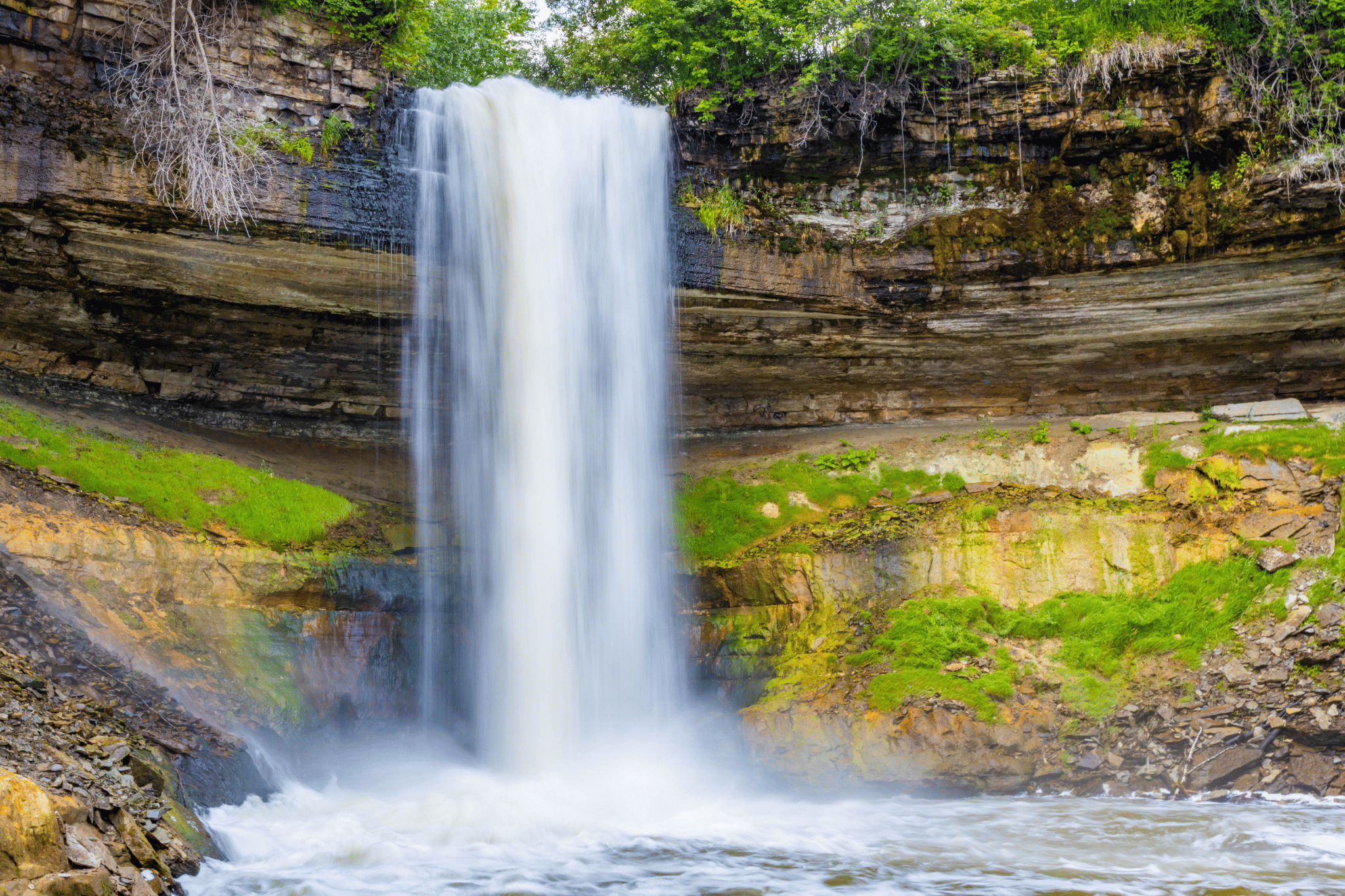
There's something magical about standing before a 53-foot cascade of water tumbling over ancient limestone bluffs. Minnehaha Falls isn't just one of the Twin Cities' most beloved natural attractions—it's a place where history, nature, and recreation converge in spectacular fashion. Located within Minnehaha Regional Park in South Minneapolis, this stunning waterfall has been drawing visitors for generations, from Dakota leaders to literary legends to families seeking a perfect day outdoors.
TLDR:
- Minnehaha Falls is a spectacular 53-foot waterfall in Minnehaha Regional Park, one of Minneapolis' most popular parks
- The site holds deep significance for the Dakota people and inspired Henry Wadsworth Longfellow's famous poem
- Year-round activities include hiking trails, bike rentals, disc golf, picnic areas, and historic sites like the Stevens House
- The falls freeze in winter, creating a breathtaking ice sculpture, while summer brings lush greenery and a refreshing wading pool
Ready to Experience Minneapolis?
After a day exploring Minnehaha Falls and the surrounding park, you'll want a comfortable home base to relax and recharge. Book your stay with Roami in Minneapolis and enjoy spacious, design-forward accommodations perfect for groups and families. Our properties put you in the heart of the Twin Cities, making it easy to explore everything this vibrant region has to offer.
Discovering Minnehaha Falls and Its Rich History
Long before Minnehaha Falls became one of the most photographed spots in Hennepin County, it held profound meaning for the original inhabitants of this land. The waterfall's story is woven into the fabric of Minnesota's past, connecting indigenous heritage with American literature in unexpected ways.
The Legacy of the Dakota People and Ta Oyate Duta
The name "Minnehaha" comes from the Dakota language, meaning "waterfall" or "curling water." For the Dakota people, this site represented far more than a scenic attraction—it was sacred ground, a gathering place, and a landmark along the Mississippi River. Chief Little Crow, known as Ta Oyate Duta in Dakota, was a prominent Dakota leader whose legacy remains intertwined with this region's history. The Dakota connection to this land runs deep, stretching back countless generations before European settlement transformed the landscape.
Literary Connections: Henry Wadsworth Longfellow and the Falls
Interestingly, Henry Wadsworth Longfellow never actually visited Minnehaha Falls, yet he immortalized it in his epic poem "The Song of Hiawatha." Writing from his home in Cambridge, Massachusetts, Longfellow drew inspiration from accounts of the falls and Dakota culture to create one of 19th-century America's most popular poems. The Longfellow House near the park pays tribute to this literary connection. Fun fact: the falls gained international fame after the poem's publication in 1855, transforming this natural wonder into a must-see destination for travelers from around the world.
Exploring Minnehaha Regional Park
Managed by the Minneapolis Parks Foundation and Recreation Board, Minnehaha Regional Park spans 193 acres of pristine green space along the Mississippi River. This isn't just any Minneapolis park—it's a comprehensive outdoor destination that seamlessly blends natural beauty with thoughtful amenities.
What Makes This One of Minneapolis' Most Popular Parks
Minnehaha Regional Park consistently ranks among the popular parks in the city, and it's easy to see why. The park offers something for everyone: families spread picnic blankets in shaded groves, fitness enthusiasts tackle scenic trails, and history buffs explore some of Minneapolis' oldest structures. The Minneapolis Parks Foundation has worked diligently to preserve and enhance this treasure, ensuring it remains accessible and well-maintained for future generations. Whether you're planning a quick vacation to the Twin Cities or you're a local seeking a nature escape, this regional park delivers.
The Stunning 53-Foot Waterfall Experience
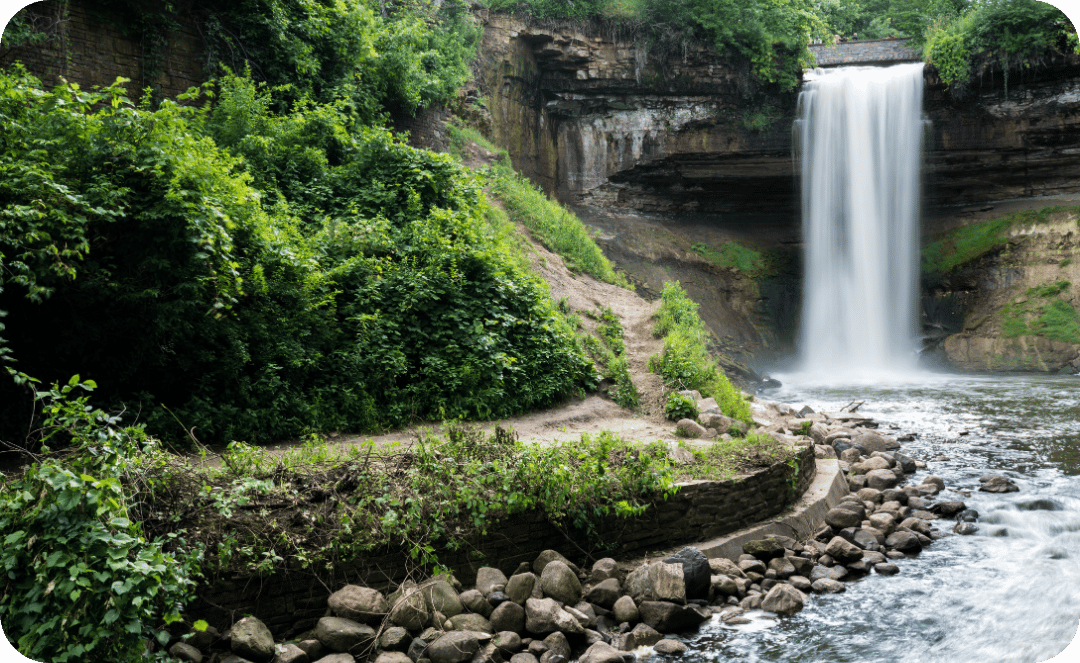
The star attraction—Minnehaha Falls itself—plunges 53 feet over limestone bluffs formed thousands of years ago. The waterfall feeds into Minnehaha Creek before joining the mighty Mississippi River just downstream. River overlooks provide spectacular vantage points for photographs and contemplation. During the winter months, the falls freeze into a crystalline masterpiece, with massive icicles creating a completely different but equally breathtaking scene. President Lyndon Johnson even visited the falls during his time in office, adding to its roster of distinguished admirers.
Activities and Attractions at Minnehaha Park
If you think Minnehaha Park is just about the waterfall, think again. This expansive green space offers a full day's worth of activities for visitors of all ages and interests.
Outdoor Recreation for Every Season
The park features an extensive network of hiking trails that wind through wooded areas and along Minnehaha Creek. Bike rentals are available if you want to explore the Minnehaha Parkway, a scenic route connecting to Minneapolis' broader trail system via Hiawatha Avenue and other routes. For disc golf enthusiasts, the park includes a challenging course that takes advantage of the natural terrain. The Wabun Picnic Area provides a perfect spot for group gatherings, complete with shelters and grills. These activities make the park perfect for a 3-day vacation itinerary in Minneapolis.
Family-Friendly Amenities
Summer visitors with children won't want to miss the wading pool, a refreshing spot where kids can splash and play on hot days. The pergola garden offers a beautiful setting for photos or simply relaxing in the shade. Multiple picnic areas dot the landscape, and when you're ready to grab lunch, nearby food options ensure nobody goes hungry. The park's design prioritizes accessibility, making it easily accessible for visitors with mobility considerations.
Historic Sites Worth Visiting
History enthusiasts should plan time to visit the Stevens House, also called the Stevens home, recognized as Minneapolis' oldest wood-frame house still standing. This historic structure was actually moved to the park in 1896 and offers a glimpse into 1850s life in Minnesota Territory. The site has connections to the Minneapolis Post Office's early history as well. Here's a fun fact that surprises many visitors: fire hydrants upstream from the falls were once painted to look like toy soldiers, adding whimsy to infrastructure. These historical elements transform a nature visit into an educational experience about the region's development.
Planning Your Visit to the Twin Cities Natural Gem
Ready to see Minnehaha Falls for yourself? Here's what you need to know to make the most of your visit to this Twin Cities treasure.
Getting to Minnehaha Falls
The falls are remarkably easily accessible, located in South Minneapolis near the intersection of Minnehaha Avenue and Hiawatha Avenue. The park sits in Hennepin County and connects to major highway routes, making it convenient whether you're coming from downtown Minneapolis, St. Paul, or the suburbs throughout the metro area. Ample parking is available, though it can fill up on beautiful summer weekends. Public transportation also serves the area well, with bus routes stopping near the park entrance.
Nearby Attractions
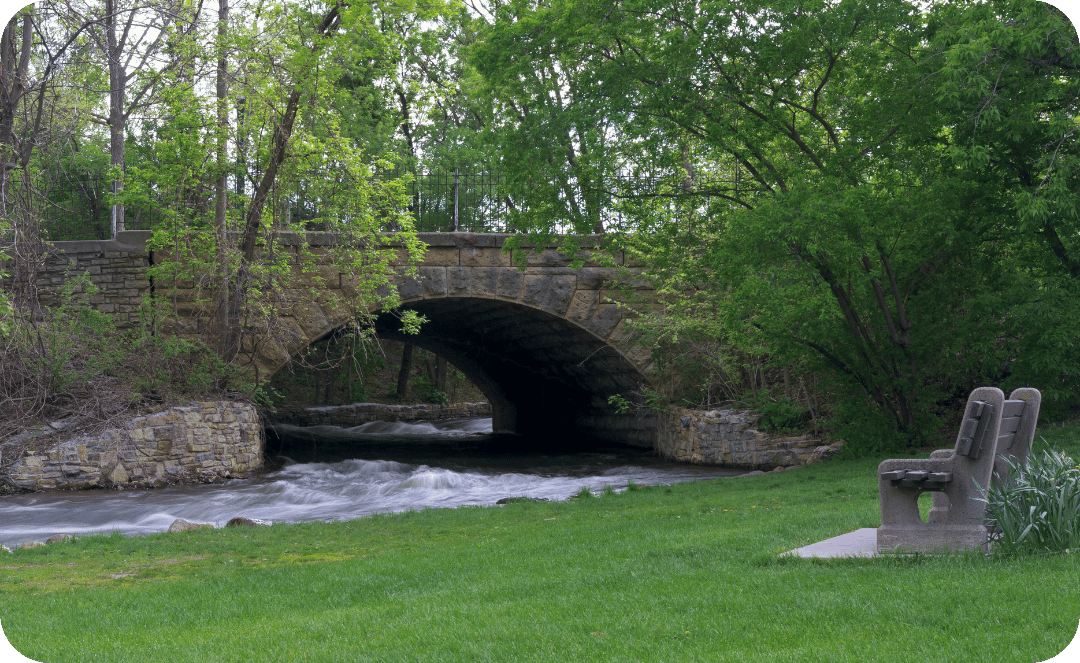
Extend your outdoor adventure by exploring nearby Fort Snelling, a historic military fort perched above the confluence of the Minnesota and Mississippi rivers. The fort offers living history demonstrations and stunning views. Follow Minnehaha Creek upstream to discover the Lower Glen area, where the creek creates a peaceful gorge before reaching the falls. The entire regional park system connects via trails, allowing ambitious visitors to bike or walk between multiple green spaces throughout the city.
Best Times to Visit
Each season transforms Minnehaha Falls into something unique. Summer brings lush vegetation, full water flow, and comfortable temperatures perfect for hiking and picnics. October showcases brilliant fall foliage reflected in the creek waters, creating a photographer's paradise. Winter offers the dramatic spectacle of the falls freeze, though visitors should exercise caution on potentially icy paths. Spring sees the highest water volume as snowmelt and rain feed the creek. No matter when you visit, you're in for something special. If you're feeling ready for your next getaway, any season is perfect for discovering this Minneapolis gem.

Frequently Asked Questions About Minnehaha Falls
Where exactly is Minnehaha Falls located in Minneapolis?
Minnehaha Falls is located in South Minneapolis within Minnehaha Park, specifically at 4801 Minnehaha Avenue South. The waterfall sits near where Minnehaha Creek flows into the Mississippi River, making it easy to find on any map of the city. The park is in Hennepin County and is easily accessible from major roads and public transit routes.
Do I need permission or have to pay to access the falls?
No permission or admission fee is required to visit Minnehaha Falls. The park is free and open to the public year-round. Walking trails throughout the area provide access to various viewpoints of the waterfall. However, if you want to reserve specific picnic areas or shelters for large gatherings, you'll need to contact the Minneapolis Park and Recreation Board for rental information.
Can I visit Minnehaha Falls during summer and winter?
Absolutely! The falls are open and accessible during all seasons, including summer and winter. Summer visits are popular for hiking, biking, picnicking, and enjoying the wading pool. Winter visits offer the unique experience of seeing the frozen waterfall, though you should dress warmly and watch for icy conditions on trails. Each season provides a completely different but equally memorable experience.
What's the connection between Minnehaha Falls and the Dakota people?
The Dakota people have inhabited this land for generations, and the falls hold cultural and historical significance for them. The name "Minnehaha" comes from the Dakota language. Chief Little Crow (Ta Oyate Duta), a Dakota leader, is an important historical figure associated with this region. The Dakota connection to this land predates Minneapolis itself and remains an essential part of understanding the site's true history.
Are there other attractions near Minnehaha Falls besides the waterfall?
Yes! The park includes the historic Stevens House, one of Minneapolis' oldest buildings. You'll find hiking and biking trails connecting to the broader Minneapolis lakes and trail system. Nearby Fort Snelling State Park and the historic fort itself offer additional exploration opportunities. The Minnesota Zoo is also relatively close by for families wanting to extend their outing. Minnehaha Creek itself provides scenic walking opportunities both upstream and downstream from the falls.
Is Minnehaha Falls actually connected to the Crow or Mississippi River systems?
Minnehaha Creek, which creates the falls, flows into the Mississippi River just downstream from the waterfall. This connection makes the falls part of the greater Mississippi River watershed. While "Crow" appears in the name of Chief Little Crow, the Dakota leader associated with the region, there isn't a separate "Crow River" at this location—the primary river connection is to the Mississippi. The Mississippi River has been a crucial transportation and resource corridor throughout history for both Dakota people and later settlers.