Little Havana stands as one of Miami's most vibrant and historically significant neighborhoods, representing decades of Cuban heritage and cultural preservation. This iconic district tells the story of resilience, community, and the American dream through its colorful streets, authentic cuisine, and deeply rooted traditions. Understanding the history of little havana miami reveals how this area transformed from a quiet residential neighborhood into the beating heart of Cuban American culture in the United States.
TLDR
• Little Havana emerged in the 1960s as cuban immigrants settled along sw 8th st, creating la pequeña habana in the heart of miami dade county
• The neighborhood developed around affordable real estate and Cuban-owned businesses, preserving spanish language and cultural traditions
• Key landmarks like domino park and plaza de la cubanidad serve as community gathering spaces and cultural preservation sites
• Today, Little Havana is recognized as a national treasure, successfully balancing cultural preservation with modern Miami life
Experience Little Havana's Rich History with Roami
Ready to immerse yourself in the fascinating history and vibrant culture of Little Havana? Plan your Miami weekend and experience this incredible neighborhood firsthand. Roami's spacious vacation rentals provide the perfect home base for exploring Miami's most culturally rich district, offering you the comfort and convenience to fully appreciate everything this historic area has to offer. Book your stay today and discover why Little Havana remains one of Miami's most treasured neighborhoods.
Book Your Miami Stay
Origins and Early Cuban Immigration to Little Havana
The 1960s Wave of Cuban Immigrants
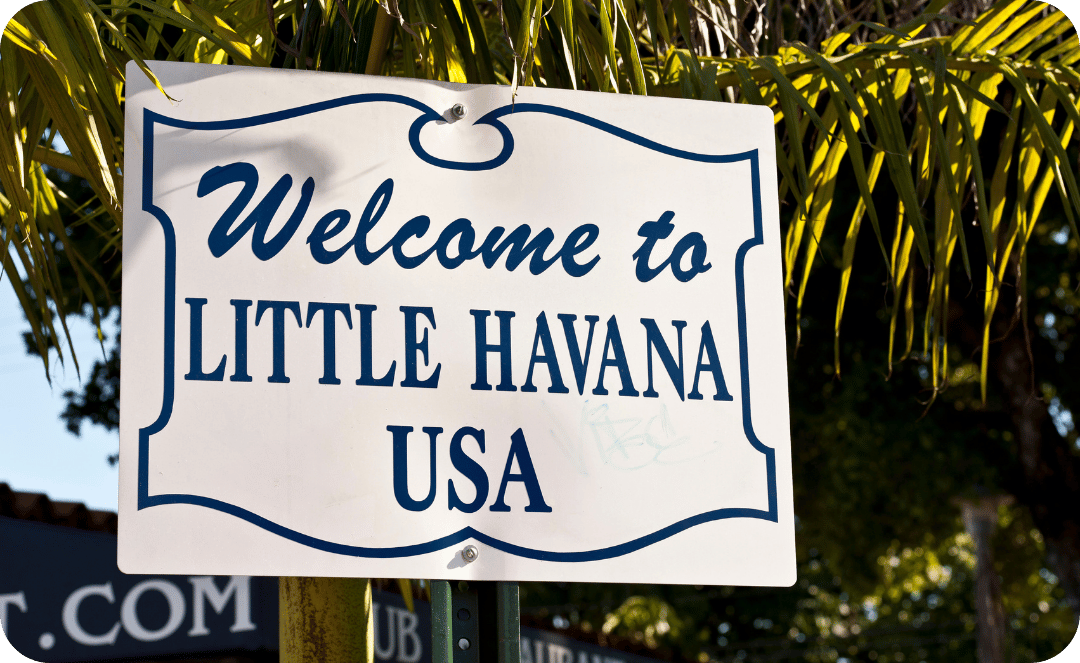
The foundation of modern Little Havana began in the early 1960s when thousands of cuban immigrants fled Cuba seeking refuge and new opportunities. These early settlers, primarily middle-class professionals and business owners, arrived in Miami looking for affordable housing and a place to rebuild their lives. The area that would become known as little havana offered exactly what these families needed: reasonably priced homes and a growing sense of community.
The neighborhood's transformation accelerated as more cubans established businesses, restaurants, and cultural centers along what would become the famous calle ocho. These early pioneers laid the groundwork for what would eventually be called la pequeña habana, creating a miniature version of their beloved homeland in the heart of miami dade county.
Settlement Patterns Along SW 8th Street
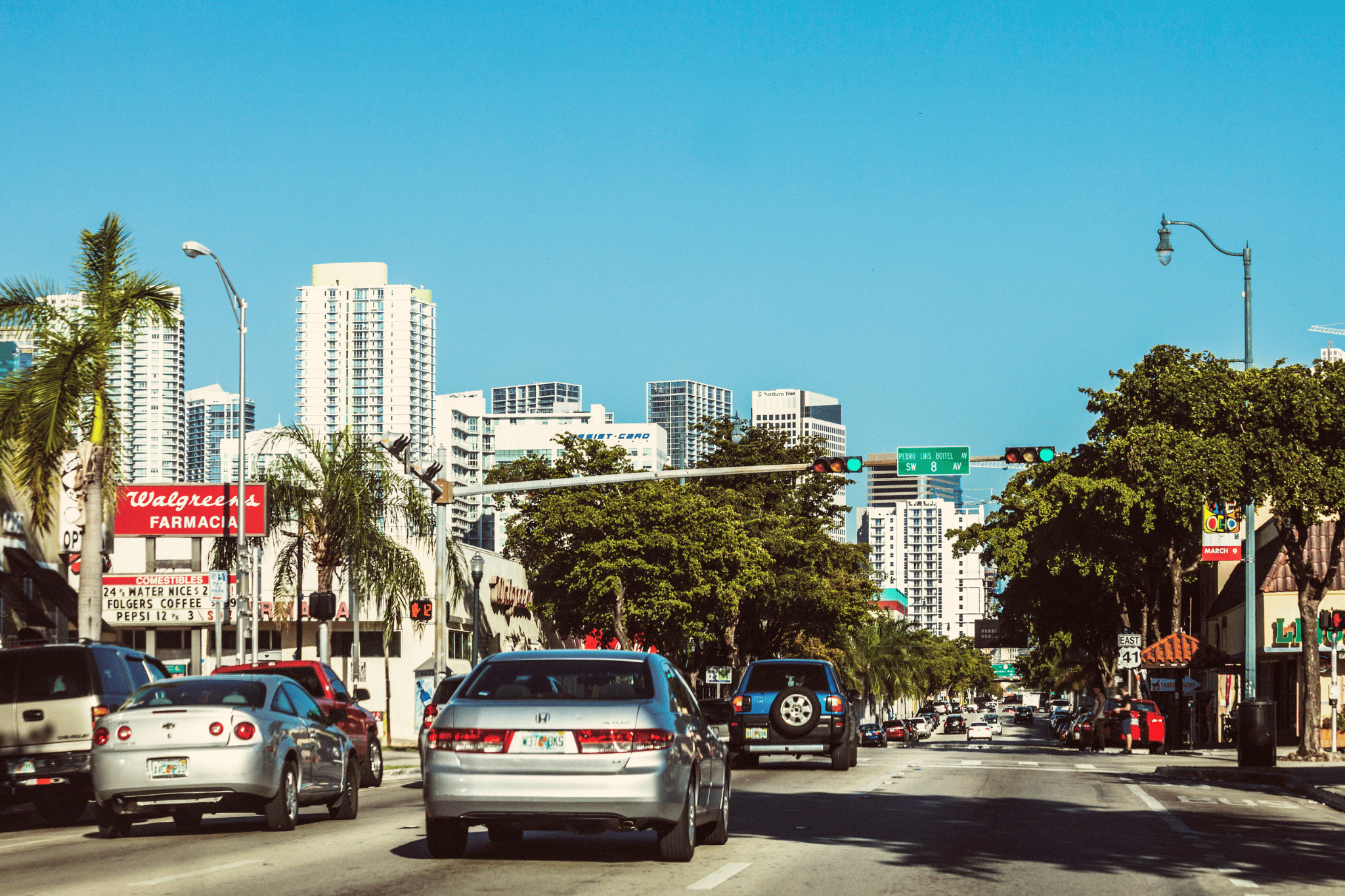
Cuban immigrants settlements formed organically around sw 8th st, which became the main commercial corridor of the neighborhood. The street, known locally as flagler street in some sections, provided the perfect location for small businesses, cafes, and shops that catered to the growing Cuban population. This concentration of Cuban-owned establishments helped preserve the spanish language and cultural traditions that define the area today.
The residential areas surrounding 8th street became home to multiple generations of cuban american families, creating a tight-knit community that would preserve and celebrate their rich history for decades to come. Explore Little Havana safely and discover how this neighborhood maintains its authentic character while welcoming visitors from around the world.
The Development of Calle Ocho as Cultural Center
From Residential Area to Cuban Commercial Hub
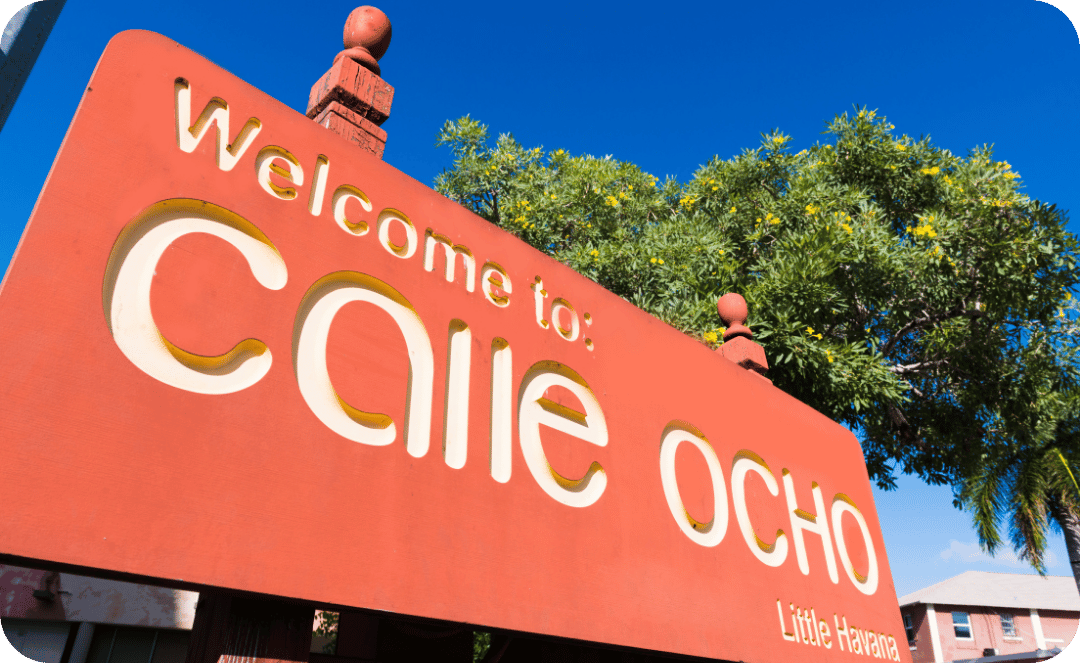
The transformation of calle ocho from a quiet residential street to a bustling cultural center represents one of the most remarkable neighborhood evolutions in florida. As Cuban families established roots in the area, they began opening businesses that reflected their homeland's traditions. Restaurants serving authentic Cuban cuisine, cigar shops, and markets selling ingredients from cuba and central america created an authentic atmosphere that attracted both locals and visitors.
The havana neighborhood character emerged as entrepreneurs invested in storefronts along flagler st and surrounding blocks. These business owners understood that preserving cuban culture required more than just serving traditional food – it meant creating spaces where the community could gather, speak spanish, and maintain connections to their heritage.
The Role of Affordable Real Estate in Community Building
The availability of affordable real estate played a crucial role in establishing Little Havana as the center of Cuban American life in Miami. Unlike other parts of the city that were rapidly developing and becoming expensive, this area remained accessible to working-class immigrant families. This affordability allowed multiple generations to live close together, strengthening family bonds and cultural transmission.
The concentration of Cuban families in a relatively small geographic area created what urban planners call a "cultural district" – a place where traditions, language, and customs could be maintained and passed down to younger generations. Discover Miami attractions that showcase how neighborhoods like Little Havana contribute to the city's unique character.
Key Historical Landmarks and Cultural Sites
Domino Park: A Community Gathering Place
Domino park stands as one of Little Havana's most beloved institutions, serving as a social hub where elderly men gather daily to play dominoes, discuss politics, and maintain friendships formed over decades. This small park represents the heart of community life, where traditions from central and south america blend with Cuban customs to create something uniquely Miami.
The park's significance extends beyond recreation – it serves as an informal community center where news is shared, connections are made, and the spanish language flourishes. Visitors can witness firsthand how public spaces contribute to cultural preservation and community cohesion.
Plaza de la Cubanidad and Its Significance
The plaza de la cubanidad serves as a formal recognition of Cuban contributions to Miami's development. This public space, with its colorful murals and cultural installations, celebrates the journey of cuban immigrants and their descendants who transformed a simple neighborhood into a nationally recognized cultural destination.
The plaza represents the intersection of past and present, where historical memory meets contemporary Miami life. Find the most photogenic spots in Miami and see how places like this plaza showcase the city's multicultural heritage through art and public spaces.
Cultural Evolution and Modern Little Havana
Preserving Cuban Culture in Miami
Today's Little Havana continues to serve as a living museum of cuban culture, where traditions from pequeña habana are maintained and celebrated. The neighborhood has successfully balanced preservation with evolution, welcoming new businesses and residents while maintaining its essential character. Restaurants still serve authentic Cuban coffee, shops sell goods from cuba, and community events celebrate the heritage that defines this special place.
The area's success in cultural preservation offers lessons for other immigrant communities seeking to maintain their traditions while integrating into American society. Learn what Miami is famous for and discover how neighborhoods like Little Havana contribute to the city's reputation as a global cultural destination.
Little Havana as a National Treasure
Recognition of Little Havana's importance extends far beyond miami dade county boundaries. The neighborhood has been acknowledged as a national treasure, representing successful cultural preservation and community building. Its inclusion on various historic places registries acknowledges the area's significance in American immigration history and Cuban American identity.
The sw 8th corridor continues to attract visitors from around the world who come to experience authentic Cuban culture without traveling to havana itself. This tourism, while bringing economic benefits, also helps ensure that the traditions and businesses that define the neighborhood continue to thrive for future generations.
Frequently Asked Questions
What role did the cuban memorial boulevard play in Little Havana's development?
The cuban memorial boulevard serves as a symbolic tribute to Cuban heritage and history, featuring monuments and memorials that honor the struggles and achievements of the Cuban exile community. This boulevard helps preserve historical memory while providing a space for reflection and community gathering.
How did fidel castro's regime influence the growth of Little Havana?
Castro's regime directly influenced Little Havana's growth by prompting waves of cuban refugees to flee their homeland and settle in Miami. The political upheaval in Cuba created the conditions that led thousands to seek refuge in this neighborhood, fundamentally shaping its character and demographics.
What is the significance of the miami river in Little Havana's location?
The miami river provided both geographical boundaries and economic opportunities for early Cuban settlers. Its proximity influenced settlement patterns and offered access to transportation and commerce that helped the neighborhood develop its commercial character along major streets like Calle Ocho.
How does carnaval miami celebrate the area's heritage?
Carnaval miami transforms the neighborhood into a massive street festival celebrating cuban american culture through music, dance, food, and community participation. This annual event showcases the vibrant traditions that have been preserved and evolved within the Little Havana community.
What was the warner family's contribution to Little Havana's development?
The warner family played a role in early neighborhood development, contributing to the real estate and business growth that made the area attractive to Cuban immigrants. Warner place remains as a testament to the diverse influences that shaped the neighborhood's evolution.
Why is the walk of fame significant in Little Havana?
The walk of fame honors notable figures from Cuban and Latin American culture, including celebrities like gloria estefan who have contributed to the neighborhood's reputation and cultural significance. This attraction helps preserve cultural memory while drawing visitors to experience the area's heritage.