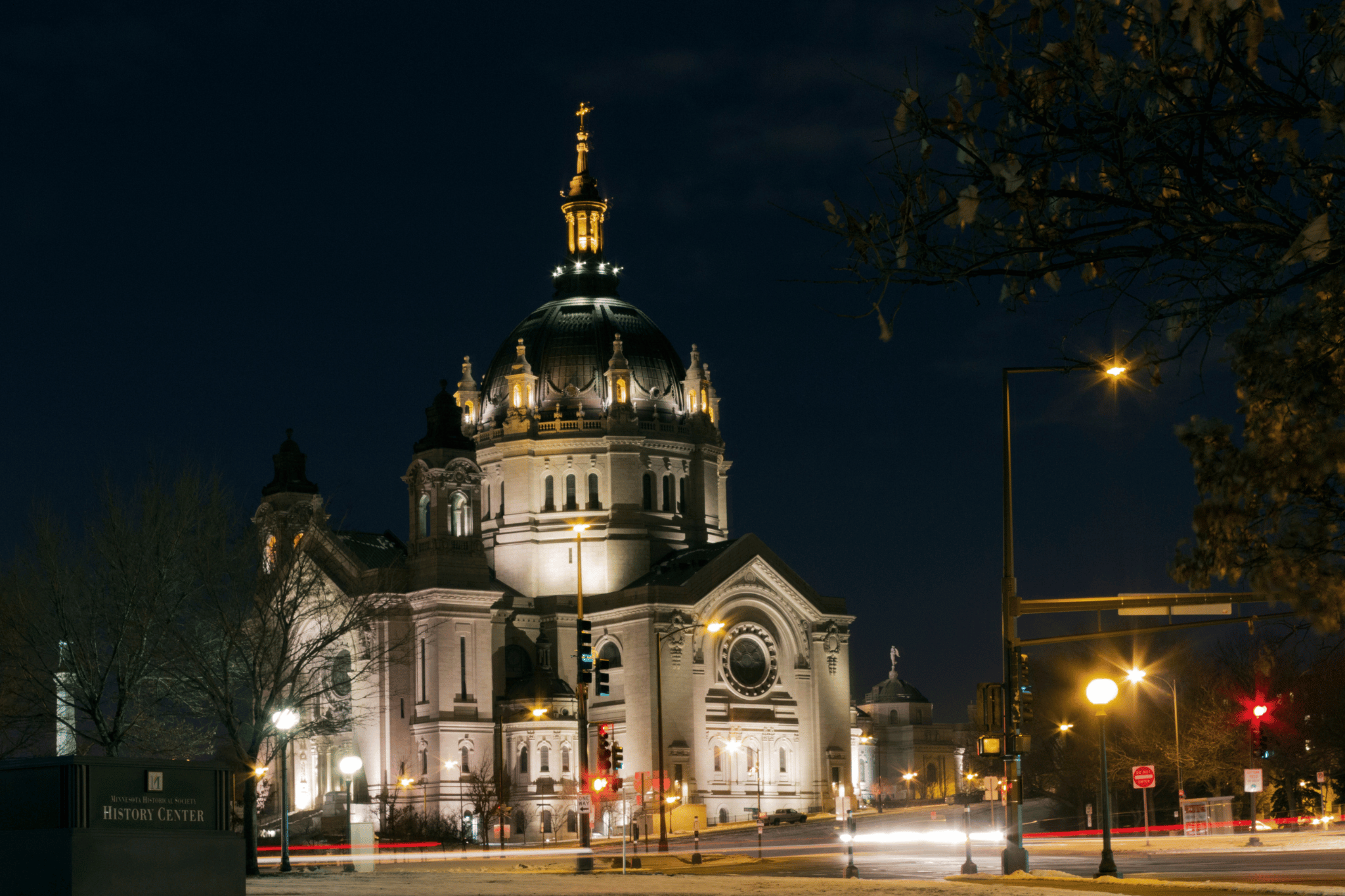
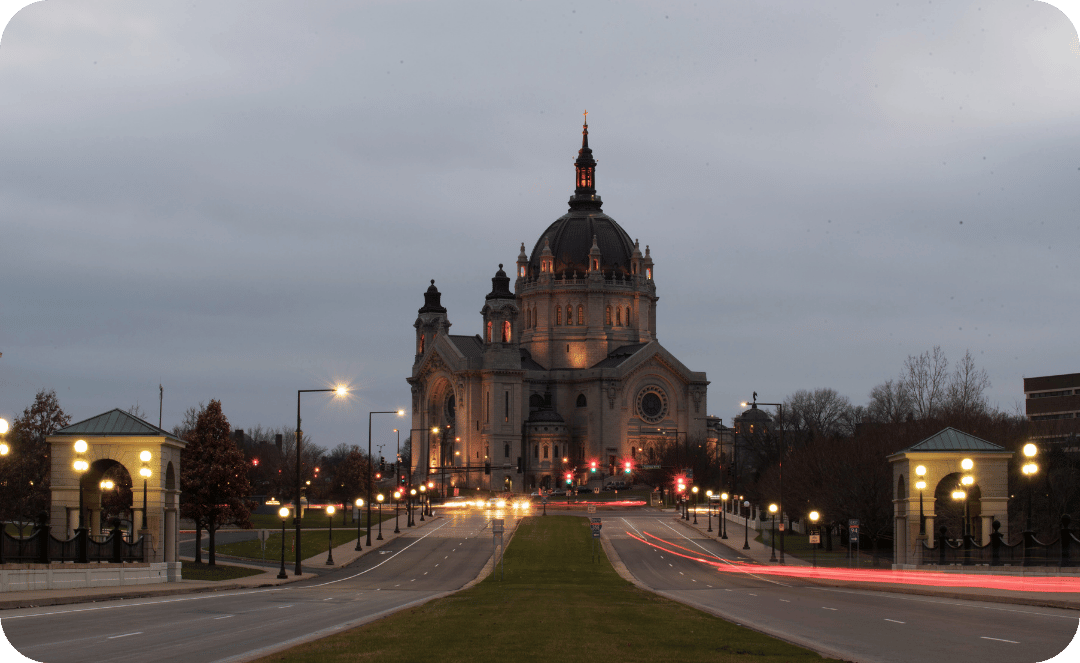
Nestled on Cathedral Hill in Saint Paul, MN, the Cathedral of Saint Paul stands as one of the most magnificent examples of Beaux-Arts architecture in the United States. This stunning church serves as the spiritual heart of the Catholic community in the Twin Cities and welcomes visitors from around the world who come to admire its breathtaking beauty and rich history. Whether you're planning a quick vacation to explore St. Paul or you're a local seeking to learn more about this architectural masterpiece, the Saint Paul Cathedral offers an unforgettable experience.
TLDR:
- The Cathedral of Saint Paul was commissioned by Archbishop John Ireland and completed in 1915, showcasing stunning Beaux-Arts architecture
- Features include breathtaking stained glass windows, six chapels, the Shrine of the Nations, and intricate metalwork throughout
- Visitors can attend mass, explore the cathedral grounds, and learn about the rich history of the Catholic community in Minnesota
- The cathedral honors important religious figures, including Father Lucien Galtier, Joseph Cretin, and the North American Martyrs
Ready to Experience St. Paul's Historic Beauty?
Make the most of your visit to the Cathedral of Saint Paul by staying in one of Roami's spacious vacation rentals nearby. Our properties offer the perfect home base for exploring Minnesota's capital city, with plenty of room for your entire group and all the amenities you need for a comfortable stay. Book your St. Paul getaway today and discover everything this vibrant city has to offer.
The History and Construction of Saint Paul Cathedral
The Cathedral of Saint Paul represents a pivotal moment in the history of Minnesota's Catholic community. The story of this magnificent building begins long before construction started, rooted in the faith and determination of early Catholic settlers in the region.
Archbishop John Ireland's Vision
Archbishop John Ireland, one of the most influential religious leaders in American history, dreamed of creating a cathedral that would serve as a beacon of faith for generations to come. Ireland understood that the Catholic community in Saint Paul needed a grand church that reflected both their devotion and the growing importance of the city. His vision was ambitious: to create a structure that would rival the great cathedrals of Europe while serving the unique needs of Minnesota's faithful.
The archbishop's dedication to this project was unwavering. He personally oversaw many aspects of the cathedral's planning and worked tirelessly to secure funding for the construction. Ireland believed that a magnificent cathedral would not only serve the spiritual needs of his flock but would also stand as a testament to the strength and vitality of Catholicism in America.
The Building and Architecture
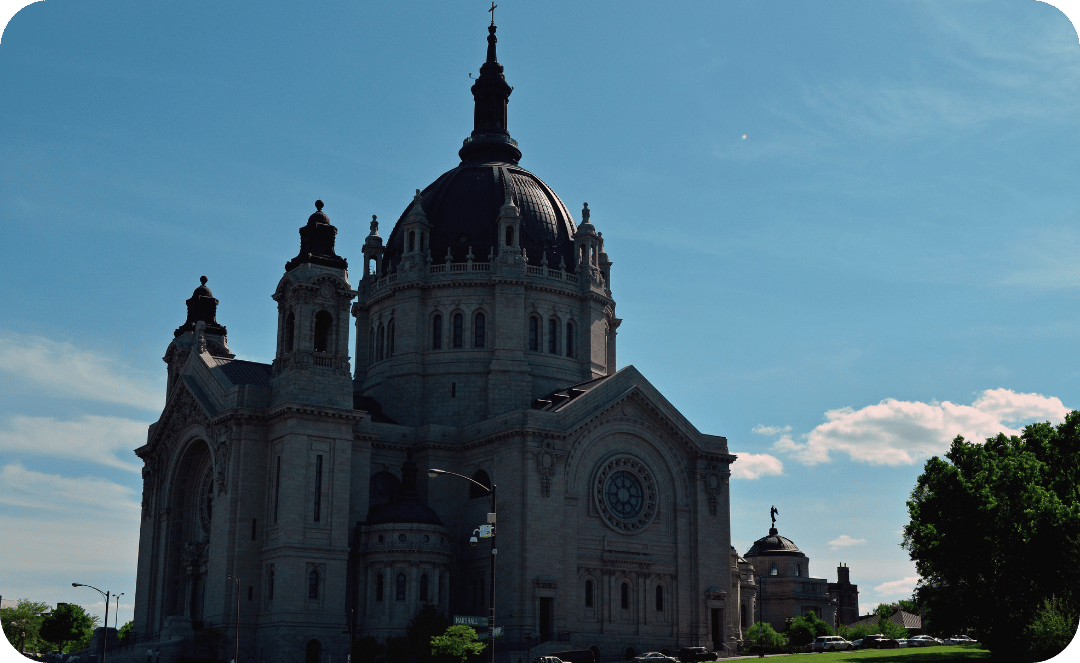
Construction of the cathedral began in 1906 and took nearly a decade to complete, with the building finally opening its doors in 1915. The architecture reflects the Beaux-Arts style that was popular during that era, characterized by classical forms, symmetry, and elaborate ornamentation. The structure was designed to accommodate large congregations while creating an atmosphere of reverence and awe.
The building itself required innovative engineering for its time. Massive stone blocks were carefully placed to create the cathedral's distinctive dome, which rises 186 feet above the floor and remains one of Saint Paul's most recognizable landmarks. Every aspect of the construction was executed with meticulous attention to detail, from the foundation to the copper-clad dome that crowns the structure.
Architectural Highlights of the Paul Cathedral
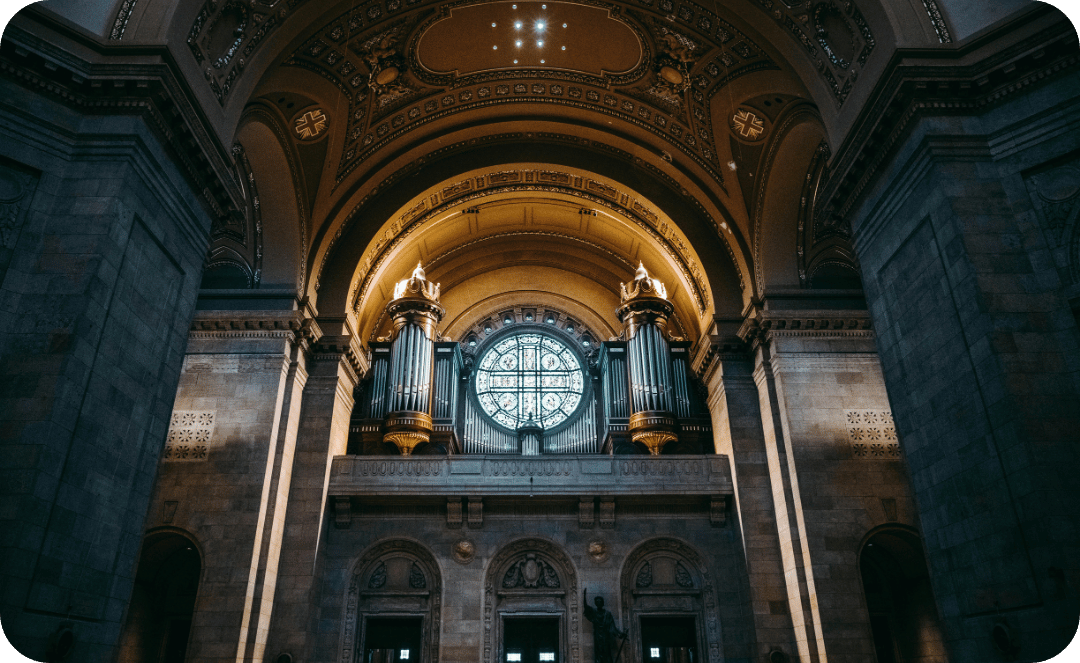
Walking through the doors of the Paul Cathedral, visitors are immediately struck by the overwhelming beauty of the interior. Every surface, every corner reveals another layer of artistic achievement and spiritual symbolism.
Stained Glass and Artistic Details
The stained glass windows of the cathedral are among its most treasured features. These magnificent works of art depict biblical scenes, saints, and important moments in Catholic history. Natural light filters through the colored glass, casting ethereal patterns across the stone floors and creating an atmosphere of divine presence. Each window tells a story, inviting contemplation and reflection.
Beyond the stained glass, the cathedral features exceptional metalwork throughout its interior. Ornate bronze doors, intricate railings, and carefully crafted altar furnishings demonstrate the skill of the artisans who contributed to the building's completion. The attention to detail extends to every corner of the space, from the delicate carvings on the wooden pews to the painted frescoes that adorn the walls and ceiling.
The Six Chapels and Shrine of the Nations
One of the most distinctive features of the cathedral is its six chapels, each dedicated to a different patron saint or religious devotion. These intimate spaces offer quieter areas for personal prayer and reflection, away from the grandeur of the main sanctuary. Each chapel has its own unique character and artistic elements, making them worthy of individual exploration.
The Shrine of the Nations holds special significance within the cathedral. This dedicated space honors the diverse cultural backgrounds of the Catholic faithful who have made Saint Paul their home throughout the years. The shrine celebrates the universal nature of the Catholic faith while acknowledging the unique contributions of different ethnic communities to the church's growth and vitality in Minnesota.
The altar area represents the focal point of the cathedral, where mass is celebrated daily. The high altar, constructed from the finest materials, serves as the spiritual center of the building. Behind the altar, the apse features stunning artwork that draws the eye upward, directing thoughts and prayers toward God.
The Catholic Community and Spiritual Life
The Cathedral of Saint Paul is far more than a tourist attraction or architectural marvel—it remains a vibrant, living church that serves the spiritual needs of thousands of faithful Catholics.
Mass and Worship Services
Mass is celebrated daily at the cathedral, with multiple services offered throughout the week to accommodate different schedules. Saturday and Monday services are particularly well-attended, along with Sunday masses that draw large congregations. The cathedral also hosts special services during important liturgical seasons and on holy days of obligation.
Attending mass at the cathedral is a profound experience. The acoustics of the space amplify the choir's voices and the organ's majestic tones, creating a worship environment that engages all the senses. Whether you're a devout Catholic or simply curious about the tradition, visitors are welcome to join in the celebration of faith that has continued here for over a century.
Important Religious Figures: Joseph Cretin and Father Lucien Galtier
The history of Catholicism in Saint Paul cannot be told without acknowledging the pioneering work of Father Lucien Galtier and Bishop Joseph Cretin. Father Lucien Galtier arrived in the area in the 1840s and built the first Chapel of Saint Paul, which gave the city its name. His dedication to serving the spiritual needs of early settlers laid the groundwork for all that would follow.
Bishop Joseph Cretin became the first Bishop of Saint Paul in 1851, establishing the diocese and working tirelessly to build schools, hospitals, and churches throughout the region. His legacy lives on in the cathedral that would eventually be built, though he did not live to see its completion. Both men exemplified the missionary spirit and dedication to service that continue to define the cathedral's mission today.
The cathedral also honors the North American Martyrs, a group of Jesuit missionaries who gave their lives spreading the Catholic faith in the New World during the 17th century. Their sacrifice and devotion serve as an inspiration to the faithful and remind visitors of the deep roots of Catholicism in North America.
Visiting the Cathedral: What to Expect
Planning a visit to the Cathedral of Saint Paul is an excellent addition to any trip to Minnesota's capital. Understanding what to expect can help you make the most of your experience.
Location and Contact Information
The cathedral is located on Cathedral Hill, one of Saint Paul's most historic neighborhoods. This elevated position gives the building commanding views of the surrounding city and makes it visible from many vantage points throughout the area. The cathedral's central location makes it easily accessible whether you're staying in affordable luxury vacation rentals nearby or exploring the city for the day.
For those planning a visit, contact information is readily available through the cathedral's office. Staff members can provide details about mass times, tour availability, and special events. The cathedral welcomes visitors year-round, though it's worth noting that access may be limited during certain religious services or private events.
Exploring the Grounds and Interior
When you arrive at the cathedral, take time to walk around the exterior and appreciate the building from different angles. The facade features classical columns, statuary, and other architectural details that reward close examination. The grounds themselves are beautifully maintained, offering peaceful spaces for reflection.
Inside, visitors are free to explore during open hours, though reverence and quiet are always appreciated as this is an active place of worship. Self-guided tours allow you to move at your own pace, pausing to admire particular works of art or to sit in silent contemplation. The collection of religious artifacts and historical displays throughout the building provides context for understanding the cathedral's significance.
Photography is generally permitted in most areas of the cathedral, allowing you to capture the beauty of the space, though flash photography may be restricted during services. The interplay of light and shadow throughout the day creates different moods and visual experiences, so the time of your visit can significantly impact what you see.
Why Stay in St. Paul During Your Visit
Saint Paul offers visitors a wealth of experiences beyond the cathedral. The city combines rich history with modern amenities, cultural attractions with natural beauty. Staying in the area allows you to fully immerse yourself in everything the capital has to offer.
The neighborhoods surrounding the cathedral feature charming streets lined with historic homes, local shops, and excellent restaurants. June, August, March, and September are particularly pleasant months to visit, offering comfortable weather for exploring on foot. The changing seasons bring different characters to the city—from the vibrant life of summer to the stark beauty of winter.
St. Paul's downtown area is just a short distance away, offering museums, theaters, and entertainment venues. The Minnesota Historical Society maintains several important sites throughout the city that help tell the story of the state's development. Whether you're interested in art, history, or simply enjoying good food and hospitality, St. Paul delivers.
For visitors coming from out of town, the city provides a more relaxed alternative to its larger twin city across the river. The pace is unhurried, the people are friendly, and there's a genuine sense of community that makes guests feel welcome. Finding accommodations that offer space and comfort makes your stay even more enjoyable, allowing you to truly settle in and experience the city like a local rather than a rushed tourist.
The cathedral itself often hosts special events throughout the year, from concerts featuring the magnificent pipe organ to art exhibitions in various spaces throughout the building. These events provide additional reasons to plan your visit around specific dates. Hope and faith have animated this sacred space for over a century, and that spirit continues to inspire all who enter.
Frequently Asked Questions
What is the significance of Saint Paul as a patron saint?
The patron saint for whom the cathedral is named represents an important figure in Christian history. Saint Paul was one of the earliest and most influential apostles, spreading Christianity throughout the ancient world through his missionary journeys and writings. The choice to dedicate both the city and its cathedral to this saint reflects the missionary spirit of the early Catholic community in Minnesota and their commitment to sharing their faith with new settlers in the region.
When was the Cathedral of Saint Paul designated a historical landmark?
The cathedral's architectural and historical importance has been recognized through various designations over the years. The building stands as a testament to early 20th-century construction techniques and Beaux-Arts design principles. Its status as a landmark helps ensure its preservation for future generations, protecting this irreplaceable piece of Minnesota's cultural heritage.
Can I attend services at the cathedral on Friday?
Yes, the cathedral offers regular services throughout the week, including Friday. Daily Mass provides opportunities for worship regardless of which day you visit. The schedule may vary during different liturgical seasons, so checking with the cathedral office in advance is recommended if you're planning to attend a specific service.
Who was Saint Luke and is there a chapel dedicated to him?
Saint Luke was one of the four evangelists who wrote the Gospels, and he is also recognized as the patron saint of physicians and artists. While the cathedral honors many saints through its artwork and dedicatory chapels, each of the six chapels has its own specific dedication. The artistic representations throughout the cathedral include depictions of various saints who have played important roles in Catholic tradition.
How can I join or support the cathedral community?
The cathedral welcomes new members and offers various ways for people to become involved in parish life. From volunteering opportunities to participation in special liturgical roles, there are many ways to contribute to the community. Those interested in joining should contact the cathedral office for information about registration, sacramental preparation, and other programs.
What makes Charles the connection to cathedral history?
Several individuals named Charles have played significant roles in the cathedral's history, from architects and artists who contributed to the building's design to donors who supported its construction and maintenance. The cathedral's history involves countless people whose faith, skill, and generosity made this magnificent structure possible. Records and displays within the cathedral help preserve the memory of those who contributed to its creation and continued vitality.