Tucked away in the sprawling green expanse of City Park, the botanical gardens of New Orleans offer visitors a tranquil retreat from the city's famous hustle and bustle. The New Orleans Botanical Garden is more than just a collection of plants—it's a living testament to the city's rich history, resilience, and artistic spirit. With its distinctive Art Deco influences, diverse plant collections ranging from prehistoric plant life to vibrant rose beds, and serene spaces like the Japanese garden and reflecting pool, this Orleans botanical garden invites you to slow down and immerse yourself in nature's beauty. Whether you're wandering through the camellia garden, marveling at the tropical rainforest conservatory, or catching a performance at the Haspel Garden Stage, this public classical garden offers something special for every visitor.
TLDR
- The New Orleans Botanical Garden in City Park is a stunning Art Deco masterpiece created during the Depression era by three renowned talents: architect Richard Koch, landscape architect William Wiedorn, and sculptor Enrique Alférez.
- Explore diverse collections, including the parterre rose garden, Japanese garden, train garden, camellia garden, tropical rainforest conservatory, and living fossils that showcase prehistoric plant life.
- The garden was renovated and restored after Hurricane Katrina, demonstrating the city's resilience while preserving one of the few remaining examples of 1930s public garden design in the United States.
Ready to Explore New Orleans?
After spending a peaceful morning among the flowers, shrubs, and trees at the botanical garden, you'll want a comfortable home base to return to. Book your spacious New Orleans vacation rental with Roami and experience the city like a local, with plenty of room for your whole group to relax after a day of discovery.
History and Architecture of the New Orleans Botanical Garden
A Depression-Era Masterpiece
The story of the botanical garden begins during one of America's most challenging periods. Created in the 1930s through the Works Progress Administration, this public classical garden represents one of the few remaining examples of Depression-era public garden design in the country. The space was conceived as both a beautification project and a source of employment during difficult economic times, embodying the spirit of community resilience that Orleans has always been known for.
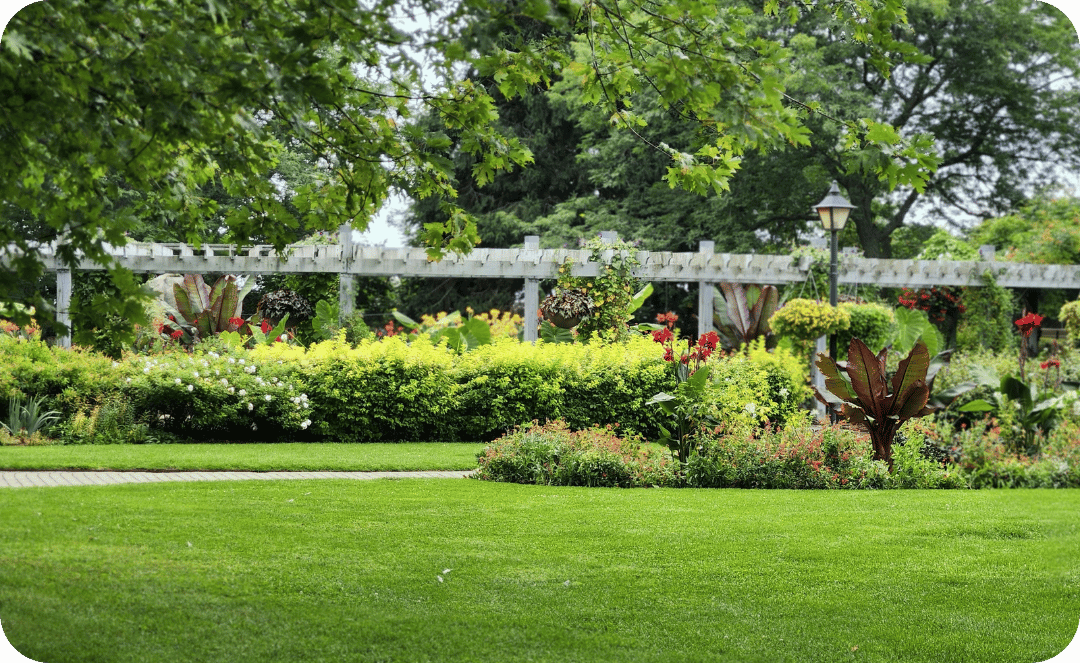
The garden's design showcases striking Art Deco influences that were popular during its creation. From the geometric patterns in the walkways to the sculptural elements throughout the space, Art Deco aesthetics define the garden's character. The site itself spans multiple acres, offering visitors ample space to wander and explore different botanical materials and garden features. The pavilion structures and architectural details reflect the era's optimism and artistic innovation, making the garden as much an architectural destination as a horticultural one.
Three Renowned Talents Behind the Garden
The Orleans City Park botanical garden owes its distinctive character to the combination of three exceptional artists. Architect Richard Koch brought his vision for harmonious garden design that would blend formal European garden traditions with Louisiana's subtropical environment. His architectural expertise ensured the garden would be both functional and beautiful, with structures that complemented rather than competed with the plant life.
Landscape architect William Wiedorn contributed his deep understanding of how plants, trees, and shrubs could be arranged to create distinct garden rooms and experiences. His layout guides visitors through a carefully choreographed journey from one garden space to the next, each offering its own mood and botanical focus.
Sculptor Enrique Alférez added the artistic flourishes that give the garden its distinctive personality. His sculptures, including the famous Two Sisters fountain, are integrated throughout the grounds, creating moments where art and nature converge. These renowned talents worked together to create something greater than the sum of its parts—a true masterpiece of public garden design.
Planning Your Garden Visit
If you're looking for more inspiration on things to do in New Orleans, the botanical garden makes an excellent addition to any itinerary, offering a peaceful contrast to the city's more energetic attractions.
Exploring the Garden's Unique Collections
The Parterre Rose Garden
One of the garden's most beloved features is the parterre rose garden, where meticulously maintained rose beds showcase hundreds of varieties in a formal geometric layout. The rose garden reaches peak beauty in spring and fall when the flowers are in full bloom, filling the air with fragrance and attracting visitors with cameras in hand. The formal design of the parterre rose garden reflects classical European garden traditions, while the plant selections are carefully chosen to thrive in New Orleans' climate.
Throughout the seasons, different flowers take center stage, ensuring that the garden offers fresh beauty no matter when you visit. The combination of roses with seasonal plantings creates layers of color and texture that change throughout the year.
Japanese Garden and Reflecting Pool
For those seeking tranquility, the Japanese garden offers a meditative escape. Designed with careful attention to balance and harmony, this section features traditional Japanese garden elements including carefully pruned plants, stone arrangements, and a peaceful reflecting pool. The water's mirror-like surface creates stunning visual effects, especially in the early morning or late afternoon when the sun casts golden light across the space.
The Japanese garden demonstrates how different cultural gardening traditions can coexist within the larger Orleans City Park botanical collection, offering visitors a chance to experience diverse approaches to landscape design and the relationship between humans and nature.
Camellia Garden and Living Fossils
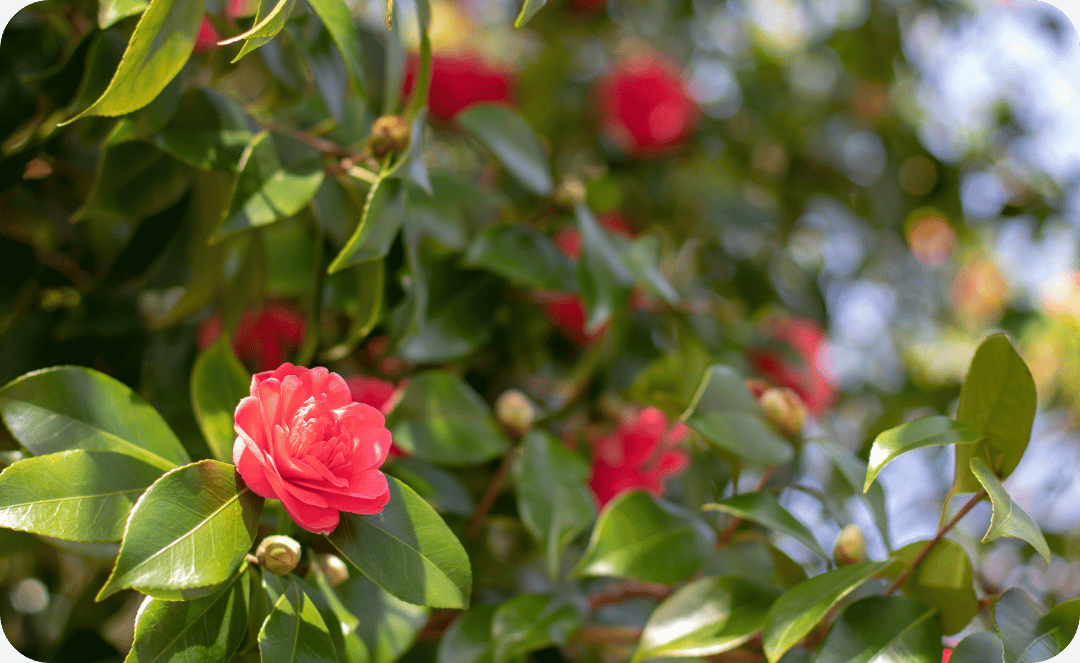
The camellia garden celebrates one of Louisiana's most cherished ornamental plants. These glossy-leaved shrubs produce spectacular blooms during the winter months, bringing color to the garden when many other plants are dormant. Walking through this dedicated space, you'll find numerous camellia varieties that showcase the plant's diversity and beauty.
Perhaps even more fascinating is the garden's collection of living fossils—ancient plant species that have survived relatively unchanged for millions of years. These prehistoric plant life specimens offer a window into botanical history, connecting visitors to the ancient world and reminding us of nature's incredible persistence across geological time.
Tropical Rainforest Conservatory
Step into a different climate entirely when you enter the tropical rainforest conservatory. This climate-controlled space recreates the humid, warm conditions of a rainforest, allowing exotic plants that couldn't survive New Orleans winters to thrive year-round. The lath house sections provide filtered light perfect for shade-loving tropical species, while the conservatory showcases a stunning array of botanical materials from around the world.
The tropical environment offers a dramatic contrast to the outdoor gardens, and visitors often spend considerable time exploring the layers of vegetation, from ground covers to climbing vines reaching toward the glass ceiling.
Special Features and Attractions
The Train Garden
Families with children particularly love the train garden, a whimsical seasonal display that combines miniature architecture with living plants. This charming installation typically appears during the holiday season, featuring tiny trains winding through landscapes created from natural botanical materials. It's a delightful way to engage younger visitors and help them discover the joy of gardens through imaginative play.
Garden Study Center
For those interested in deepening their horticultural knowledge, the Garden Study Center provides educational resources and programs. Here, visitors can learn about seeds, plant propagation, and sustainable gardening practices. The center supports the garden's mission to educate the public about plants and environmental stewardship, offering workshops and resources for both novice and experienced gardeners.
Haspel Garden Stage
The Haspel Garden Stage transforms the garden into a venue for special events throughout the year. From concerts to theatrical performances to educational lectures, this outdoor space allows the garden to serve as a community gathering place. Check the garden's calendar before your visit—you might time your trip to coincide with a performance that combines cultural enrichment with the natural beauty of the surroundings.
Two Sisters Sculpture
Among the most photographed features in the garden is the Two Sisters sculpture, a beautiful fountain that serves as both artwork and focal point. The sculpture exemplifies how art and nature are woven together throughout the space, creating moments of visual harmony that invite contemplation. Throughout your visit, you'll encounter additional sculptures that punctuate the landscape, each chosen to complement the botanical setting.
If you're interested in capturing stunning photos during your New Orleans visit, don't miss our guide to the most Instagrammable places in New Orleans, where the botanical garden definitely deserves a spot on your shot list.
Visiting the Orleans Botanical Garden
Location and Hours
The New Orleans City Park botanical garden is conveniently located within City Park, one of the nation's largest urban parks at 1300 acres. The garden itself covers a more intimate space within this vast green expanse, making it easy to visit as part of a larger park exploration or as a focused destination.
Operating hours vary by season, so check ahead before planning your visit. The garden is generally open daily, though hours may be adjusted for special events or maintenance. LA residents and tourists alike appreciate the garden's accessibility and the value it provides as an affordable cultural attraction.
Weather plays a role in the garden experience. On sunny days, bring sun protection and water, as much of the garden is open to the sky. Light rain can actually create magical moments, with droplets clinging to petals and leaves, though heavy rain may make your visit less comfortable. The garden has covered areas and the pavilion where you can take shelter if needed.
What to Bring and Expect
Comfortable walking shoes are essential for exploring the garden's various sections. You'll cover a fair amount of ground as you move between the different garden rooms and collections. The paths are generally well-maintained, but some areas may be uneven, so watch your step.
Photography enthusiasts should bring their cameras—every season offers different opportunities to capture the beauty of flowers, trees, sculptures, and architectural details. The changing light throughout the day creates different moods, from the soft glow of morning to the dramatic shadows of late afternoon.
Take your time as you wander. The garden rewards slow, mindful exploration. Find a bench near the reflecting pool or in a quiet corner of the rose garden and simply sit for a while, observing the plants, listening to the birds, and soaking in the peaceful atmosphere that makes this space so special.
Visitor Tips
Timing your visit can significantly impact your experience. While the garden offers beauty year-round, August can be particularly challenging due to New Orleans' intense summer heat and humidity. Spring (March through May) and fall (October through November) typically provide the most comfortable weather and some of the most spectacular blooms.
Families planning things to do in New Orleans with kids will find the botanical garden offers an educational experience that doesn't feel like school. Children can learn about different plant species, observe insects and birds, and burn off energy on the garden paths. The train garden, when available, is particularly popular with younger visitors.
As you explore, pay attention to the variety of trees and shrubs throughout the garden. Beyond the featured flower collections, the woody plants provide structure, shade, and habitat for wildlife. Educational signage helps identify different species and explains their significance to Louisiana's ecology and history.
Hurricane Katrina and Garden Restoration
Rising from the Floodwaters
Like so much of New Orleans, the botanical garden faced devastating challenges when Hurricane Katrina struck in 2005. Floodwaters inundated the space, damaging plant collections, infrastructure, and the historic features that made the garden special. The storm's wind also toppled mature trees and destroyed delicate plantings that had taken decades to establish.
The restoration process required both immediate emergency response and long-term planning. Dedicated staff, volunteers, and supporters worked tirelessly to salvage what could be saved and reimagine what needed to be rebuilt. The renovation efforts respected the garden's historic character while incorporating modern sustainable practices and improved infrastructure.
Today's renovated garden honors its past while looking toward the future. Created anew in some sections, restored to historical accuracy in others, the space demonstrates the resilience that defines New Orleans culture. The development of new garden areas has actually enhanced the visitor experience, adding features that weren't part of the original 1930s design while maintaining the Art Deco aesthetic and public classical garden principles that make this site historically significant.
The garden's recovery stands as a metaphor for the city itself—battered but unbroken, honoring tradition while embracing renewal. When you visit, you're not just seeing beautiful plants; you're witnessing a testament to community determination and the healing power of nature.
Why Visit the Botanical Garden During Your New Orleans Stay
New Orleans is famous for its music, food, and nightlife, but the botanical gardens New Orleans offers provide a different kind of nourishment—one for the soul. In a city that can overwhelm the senses with its energy and excitement, the garden offers necessary balance. Here, the soundtrack is wind rustling through leaves and water trickling in fountains. The aroma isn't frying beignets but blooming flowers. The pace isn't the frenetic rhythm of Bourbon Street but the slow unfurling of petals toward the sun.
For visitors exploring the world of botanical gardens, the New Orleans Botanical Garden holds special significance as one of the few remaining examples of 1930s public garden design. Garden enthusiasts and historians alike appreciate the opportunity to experience this preserved piece of American landscape architecture history.
The garden also serves as a gateway to understanding New Orleans' relationship with its subtropical environment. The plants you'll see here—from native Louisiana species to exotic imports that have adapted to the climate—tell the story of a city shaped by its ecology. Understanding this botanical context enriches your appreciation of the city's architecture, cuisine, and culture.
Whether you're seeking romantic things to do in New Orleans or simply want a peaceful break during a busy trip, the botanical garden delivers. It's also one of the excellent free things to do in New Orleans (though there may be a modest admission fee that supports garden maintenance and programming).
If you're planning summer activities in New Orleans, consider visiting the garden early in the morning when temperatures are cooler and the light is particularly beautiful. For general trip planning advice, our guide to the best time to visit New Orleans can help you choose the ideal season for your botanical garden experience.

Frequently Asked Questions
What Makes the New Orleans Botanical Garden Different from Other Gardens?
The garden stands out as one of the few remaining examples of Depression-era public classical garden design in America, created through the Works Progress Administration. Its Art Deco influences set it apart from gardens designed in other architectural styles, and the combination of architect Richard Koch, landscape architect William Wiedorn, and sculptor Enrique Alférez created a unique artistic vision. The garden also reflects New Orleans' specific subtropical climate and cultural character in ways that distinguish it from gardens in other regions.
Can I Host Special Events at the Garden?
Yes, the garden serves as a venue for special events throughout the year, and private events can also be arranged. The Haspel Garden Stage provides a beautiful setting for performances, while other sections of the garden can accommodate weddings, receptions, and corporate gatherings. The space offers a distinctive New Orleans location that combines natural beauty with historic architecture, creating memorable experiences for guests.
How Did the Garden Incorporate Elements from Around the World?
The garden's design brings together influences from different gardening traditions. While the overall layout reflects public classical garden principles, specific sections like the Japanese garden showcase distinct cultural approaches to landscape design. The tropical rainforest conservatory houses botanical materials from around the world, allowing visitors to experience plant diversity from different continents. This global perspective coexists with the celebration of native Louisiana plant life, creating a garden that's both internationally inspired and deeply rooted in its location within Orleans City Park.
What Educational Opportunities Does the Garden Study Center Provide?
The Garden Study Center offers resources for visitors interested in learning about plants, gardening techniques, and environmental stewardship. Programs cover topics like seeds and plant propagation, sustainable gardening practices, and the identification of various trees, shrubs, and flowers. The center supports both casual learners and serious gardeners, providing a space where the community can deepen their connection to the natural world and develop skills to create their own gardens.
How Has the Garden's Development Changed Since Its Creation?
While the garden's core design dates to the 1930s, development has continued over the decades. The most significant changes occurred during the restoration following Hurricane Katrina, when damaged sections were renovated and new features created. Modern additions respect the historic Art Deco character while incorporating contemporary horticultural knowledge and sustainable practices. The train garden, for example, is a more recent addition that has become a beloved tradition. Throughout these changes, the garden has maintained its identity as a public space celebrating the beauty and diversity of plant life.
Is the Botanical Garden Suitable for Visitors During Different Seasons?
The garden offers year-round interest, with different plants taking center stage during different seasons. Spring brings spectacular blooms in the rose garden, while winter features the camellia garden at its peak. The tropical rainforest conservatory maintains consistent conditions regardless of outside weather, providing a reliable experience any time of year. Summer visitors should plan for heat and sun, perhaps visiting early in the morning or later in the afternoon. Fall offers comfortable temperatures and beautiful light, making it one of the most popular times to explore the garden. Each season reveals different aspects of the garden's character, so repeat visits throughout the year offer fresh discoveries.