Planning a trip to Saint Paul means timing your visit to match your interests and tolerance for Minnesota weather. The capital city of the Twin Cities offers distinct experiences across all four seasons, from summer festivals at Como Park Zoo to winter snow blanketing the historic neighborhoods along Summit Avenue. Whether you're drawn to peak season outdoor exploration or prefer reasonable prices during quieter months, understanding what each season brings helps you make the most of your Saint Paul adventure.
TLDR
- Summer (July and August) offers peak weather for festivals, outdoor events, and exploring attractions like the Minnesota State Capitol
- Fall provides pleasant temperatures, stunning colors, and fewer crowds with more budget-friendly prices
- Winter embraces cold temperatures and snow, but delivers unique experiences and the lowest accommodation costs
- Spring brings mild conditions and reasonable rates, though the weather can be unpredictable in Minnesota
Ready to Book Your St Paul Adventure?
Whether you're visiting during summer's festival season or embracing winter's snowy charm, having the right accommodation makes all the difference. Roami offers spacious vacation rentals throughout Saint Paul, giving you room to relax after exploring downtown attractions, Como Park, or the historic neighborhoods that make this city special. Book your St Paul vacation rental with Roami and experience Minnesota hospitality in comfort.
Summer: Peak Season for Outdoor Exploration
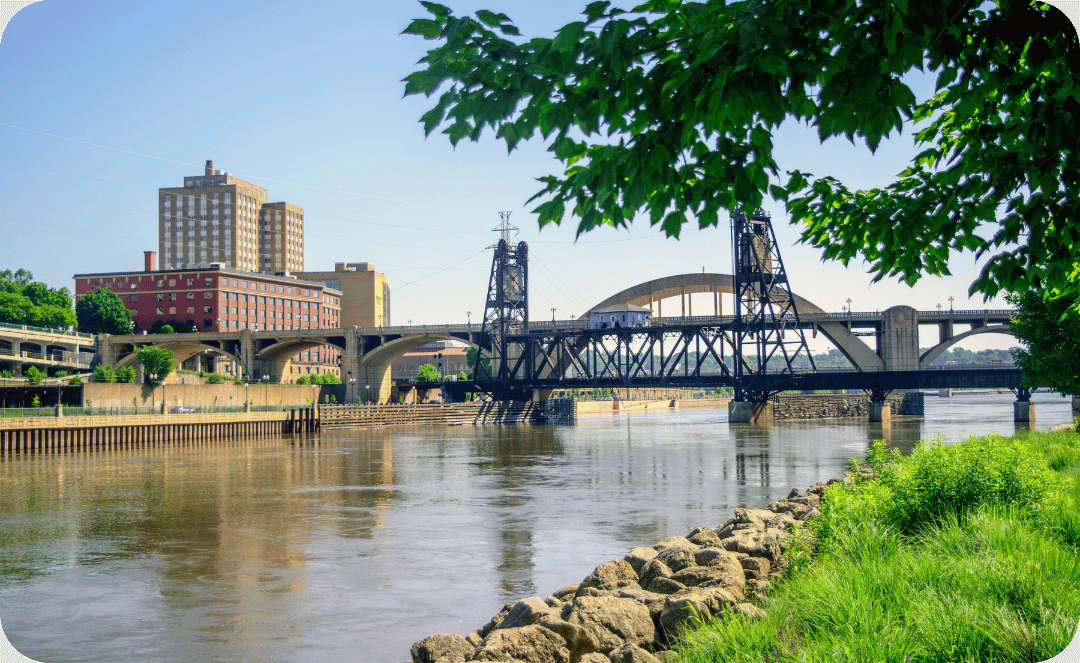
Summer represents the best time to visit St Paul, Minnesota, if you prioritize warm weather and outdoor activities. The city comes alive during these months as locals and visitors fill the parks, attend festivals, and take advantage of every sunny day before winter returns.
July and August Weather
July and August bring the warmest temperatures to Saint Paul, with days often reaching the 80s. This weather creates ideal conditions for exploring outdoor attractions and wandering through neighborhoods without the burden of heavy coats. The green spaces throughout the city flourish during summer, making parks particularly inviting.
Humidity can climb during peak summer, creating those characteristically muggy Midwestern days. Pack light, breathable clothing, and plan indoor activities during the hottest afternoon hours. Evening temperatures cool down pleasantly, perfect for outdoor dining or catching a show at one of the many summer venues.
Summer also brings the longest days of the year, giving you maximum daylight hours to pack in sightseeing and activities. The extended evening light means you can visit attractions like the State Capitol or walk along Summit Avenue well into the evening without losing visibility.
Summer Festivals and Events
The festival calendar explodes during the summer months in Saint Paul. Music fills Mears Park and other downtown venues, while food festivals showcase flavors from Minnesota and beyond. These events create a vibrant atmosphere throughout the city and offer visitors authentic glimpses into local culture.
Como Park Zoo draws families throughout the summer, with the warm weather making it comfortable to spend entire afternoons watching animals and exploring the conservatory. The zoo's free admission makes it an attractive option for budget-conscious travelers looking to spend time outdoors without breaking the bank.
Farmers' markets operate at full capacity during July and August, offering fresh local produce and artisan goods. These markets function as social events where visitors can mingle with locals, sample regional specialties, and experience the community spirit that defines Saint Paul. Food trucks cluster around popular spots, serving everything from classic American fare to international cuisines.
The downside to summer's appeal is that everyone knows it's the best time to visit. Expect larger crowds at popular attractions, higher prices for accommodations, and the need to book restaurants in advance. If you prefer having sites relatively to yourself, summer might feel overwhelming.
Fall: Experience the Twin Cities in Autumn
Fall offers compelling reasons to visit Saint Paul, combining comfortable weather with spectacular natural beauty as Minnesota's famous autumn colors emerge.
Pleasant Weather and Changing Colors
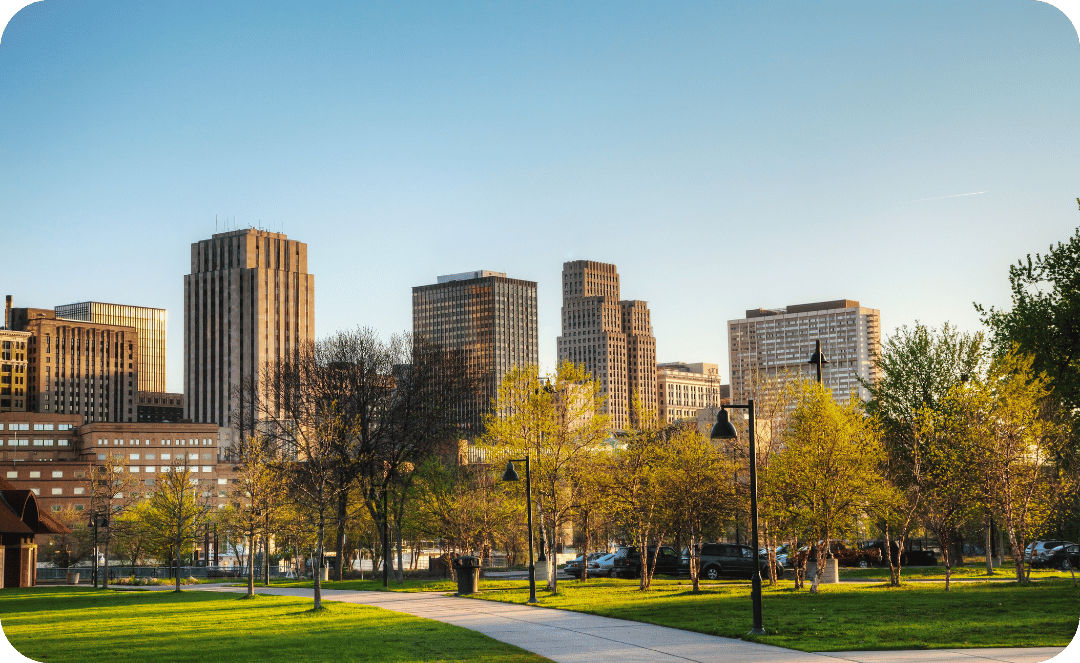
September through early November delivers some of the most pleasant weather you'll experience in Saint Paul. Temperatures moderate from summer's heat but remain warm enough that you won't need heavy winter gear. This comfort zone makes fall perfect for walking tours, outdoor dining, and extended exploration sessions.
The changing leaves transform Saint Paul into a canvas of reds, oranges, and yellows. Summit Avenue becomes particularly stunning as the historic trees lining the Gilded Age mansions shift colors. Walking or driving this famous street during peak fall color creates photo opportunities at every turn.
October typically offers the most reliable fall weather before November introduces the possibility of early snow. The crisp air invigorates outdoor activities without the extreme cold that defines winter months. Pack layers that you can adjust as temperatures fluctuate throughout the day.
Visitors often find fall represents the sweet spot between summer's crowds and winter's harsh conditions. You'll encounter fewer tourists competing for space at attractions while still enjoying access to most outdoor activities and sites.
Cultural Events and Attractions
Fall cultural programming picks up as schools return to session and the performing arts season launches. Theater performances, concerts, and art exhibitions fill the calendar, giving visitors plenty of indoor entertainment options as evenings grow cooler.
The Minnesota State Capitol offers tours year-round, but fall's moderate temperatures make the walk around the building and grounds particularly enjoyable. The architecture stands out beautifully against autumn skies, and you can explore both the ornate interior chambers and the surrounding green spaces comfortably.
Food and drink events continue into fall, with harvest festivals celebrating Minnesota's agricultural heritage. Apple orchards and pumpkin patches in surrounding areas offer day trip possibilities, while Saint Paul's restaurants feature seasonal menus highlighting autumn ingredients. For specific dining recommendations that showcase fall flavors, check out the best restaurants in St Paul.
Art galleries and museums experience increased traffic as people shift from outdoor to indoor pursuits. The smaller crowds compared to summer mean you can actually take your time appreciating exhibits without feeling rushed or overwhelmed by other visitors.
Winter: Embrace the Cold Season
Winter in Saint Paul isn't for everyone, but those who embrace the cold find unique experiences unavailable during other seasons. This is definitely the off-season, bringing the lowest prices and smallest crowds.
November Through February: Snow and Winter Activities
November marks the transition into true winter, with snow becoming increasingly likely as the month progresses. By December, Saint Paul typically wears a blanket of snow that persists through February. Temperatures regularly drop below freezing, with January frequently seeing days where the thermometer doesn't rise above zero.
The cold demands serious preparation. Invest in quality winter gear, including insulated boots, heavy coats, gloves, and hats. Locals develop a certain stoicism about winter weather, but visitors from warmer climates often underestimate just how cold Minnesota winters become.
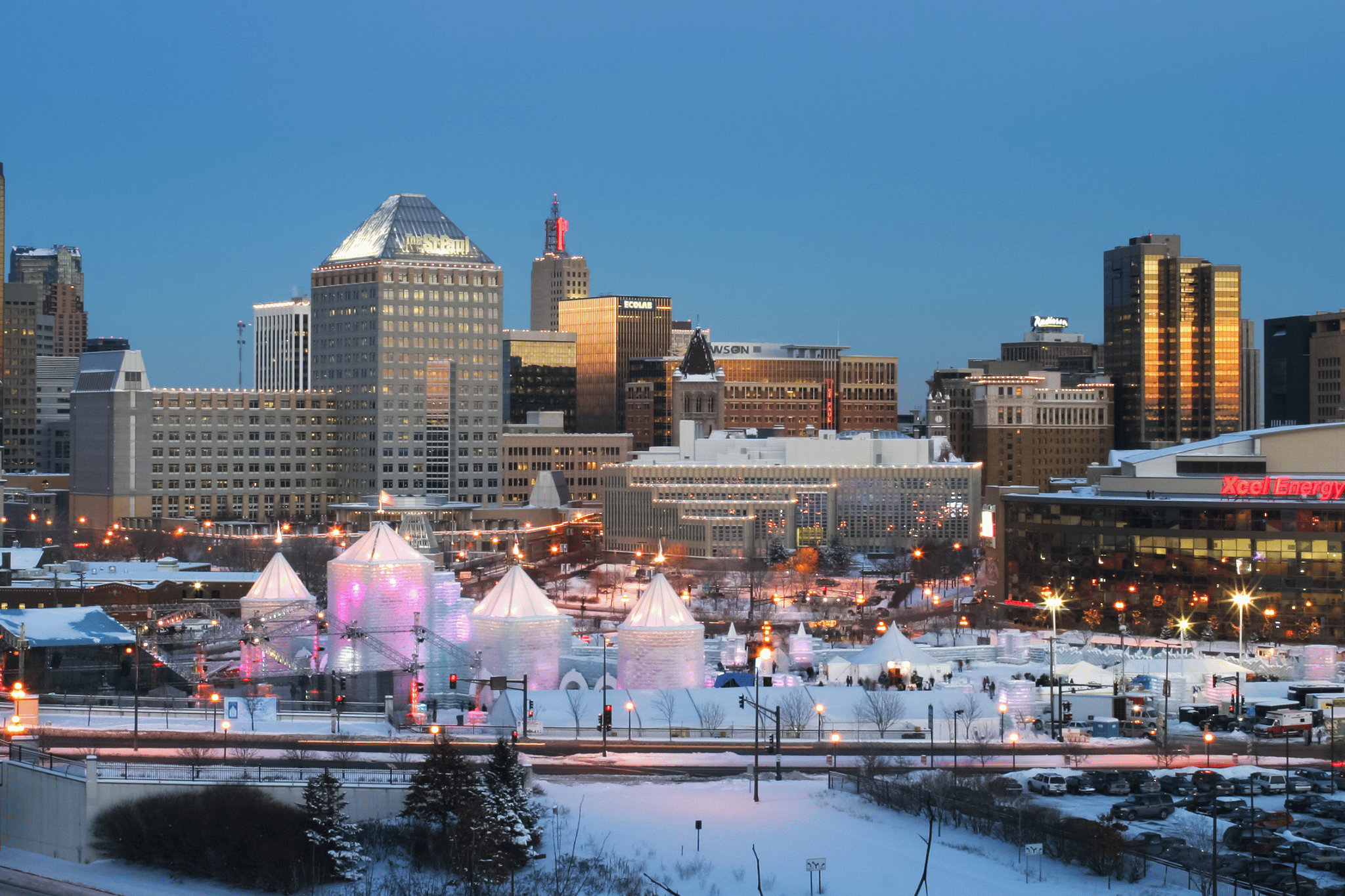
Despite the challenging weather, winter activities abound for those properly prepared. Ice skating, sledding, and even ice fishing become possibilities. The Mississippi River often freezes, creating dramatic ice formations along the banks. Some visitors find winter's stark beauty compelling, with snow-covered architecture and frozen landscapes offering a completely different perspective on the city.
The holiday season brings special charm to Saint Paul's downtown area. Lights, decorations, and festive events create warmth despite the cold. The skyway system connecting downtown buildings means you can actually explore much of the central business district without stepping outside—a feature that proves invaluable during particularly brutal cold snaps.
Indoor Attractions for Cold Days
Winter shifts the focus dramatically toward indoor attractions. Museums, theaters, and restaurants become primary destinations rather than supplementary activities. This actually works well for cultural enthusiasts who prioritize art, history, and performance over outdoor recreation.
The James J. Hill House and other historic mansions offer fascinating tours that provide both education and shelter from the elements. These Gilded Age structures tell stories of Saint Paul's wealthy past while their heated interiors offer welcome relief from outside temperatures.
Shopping moves indoors as well, with malls and covered markets providing places to browse without battling the cold. The neighborhood feel of many indoor spaces creates a cozy atmosphere that some visitors find charming, particularly around the holidays.
Restaurant culture thrives during winter as people seek warm places to gather. Saint Paul's dining scene offers comfort food perfectly suited to cold weather—hearty dishes that stick to your ribs and warm you from the inside. Many establishments feature fireplaces or especially cozy corners that capitalize on the contrast between brutal outdoor conditions and comfortable indoor spaces.
The tradeoff for winter's difficult weather is significant cost savings. Hotels and vacation rentals drop prices dramatically, and you'll never wait for a table at restaurants. If budget concerns outweigh weather preferences, winter offers the most economical time to visit Saint Paul.
Spring: Budget-Friendly Travel
Spring presents a mixed bag in Minnesota. The season brings rebirth and renewal, but also unpredictable weather that can shift dramatically from day to day.
Mild Weather and Reasonable Prices
March through May sees temperatures gradually warming, though "mild" remains a relative term in Minnesota. Early spring can still deliver snow, while late spring might offer legitimately warm days. This unpredictability means you need to pack for multiple weather scenarios.
April typically brings the most dramatic weather swings—you might experience a snowstorm one week and temperatures in the 60s the next. May usually settles into more consistently pleasant conditions, though cold snaps remain possible even as the month progresses.
The advantage of spring's weather uncertainty is that it keeps visitor numbers down, which translates to better prices on accommodations. You'll find rates significantly lower than summer peak season while still enjoying the possibility of decent weather for outdoor exploration.
As snow melts and green returns to Saint Paul's many parks and tree-lined streets, the city takes on a fresh appearance. Como Park Zoo sees baby animals being born, adding special appeal for families. The anticipation of summer creates an optimistic energy throughout the city.
Planning Your Visit Around Spring Events
Spring events build gradually as the season progresses. Early spring remains quiet, but by May, outdoor festivals and farmers' markets begin operating again. This ramping-up period means you might catch the beginning of festival season without the peak summer crowds.
The Minnesota State Capitol and Summit Avenue become more pleasant to explore as temperatures moderate. Walking tours that would be uncomfortable in winter's cold or summer's heat find ideal conditions during late spring days.
Baseball season begins, bringing games and the associated atmosphere around sporting venues. While spring weather might require jackets at outdoor games, the return of America's pastime signals that summer is approaching.
Visitors planning spring trips should maintain flexibility in their itineraries. Have backup indoor plans ready in case the weather turns poor, but also prepare to take full advantage of any unseasonably nice days. The things to do in St Paul span indoor and outdoor options that work regardless of weather conditions.
Top Attractions Worth Visiting Year-Round
Certain Saint Paul attractions maintain their appeal regardless of when you visit, offering experiences that transcend seasonal considerations.
Minnesota State Capitol and Summit Avenue
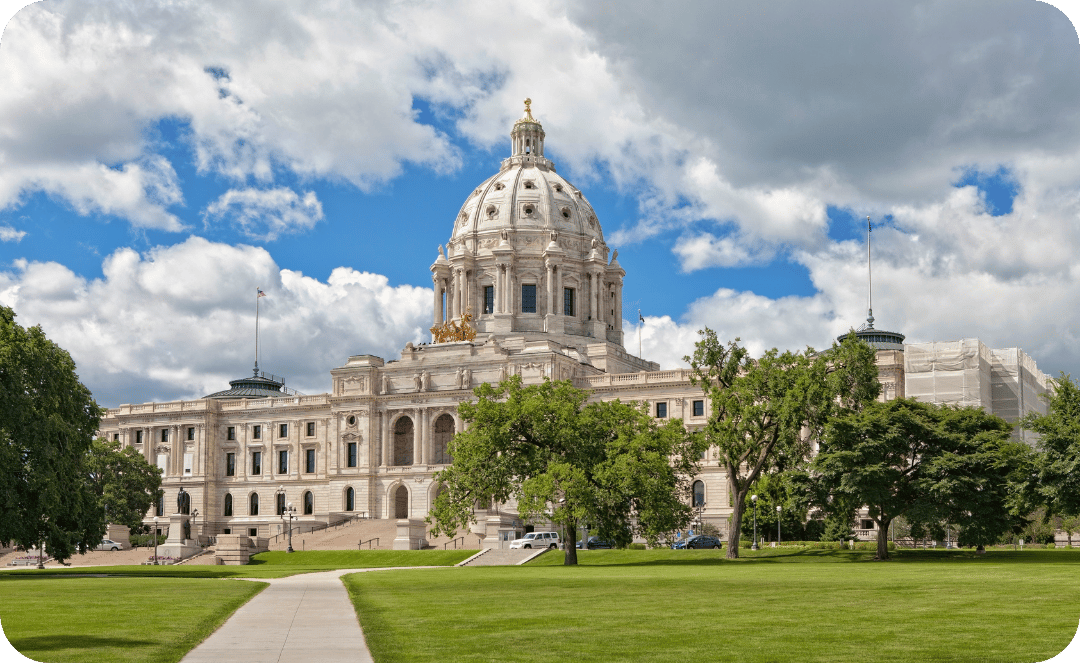
The Minnesota State Capitol building stands as an architectural masterpiece that impresses visitors in any season. The guided tours provide insight into Minnesota's political history and the building's construction, with the ornate interior offering beauty that weather can't diminish.
The Capitol's location on a hill provides views across Saint Paul, though these vistas naturally vary with seasons. Summer greenery, fall colors, winter snow, and spring renewal each create different but equally interesting perspectives on the city below.
Summit Avenue's Gilded Age mansions represent one of America's best-preserved Victorian neighborhoods. The street runs for miles, lined with structures that showcase the wealth and architectural ambition of Saint Paul's historic elite. Walking or driving on Summit Avenue reveals constant architectural interest, with each building telling its own story through design details and historical significance.
The James J. Hill House, located along Summit Avenue, offers tours that dive deep into the lifestyle of one of Minnesota's most influential historical figures. The mansion's preservation allows visitors to experience how the wealthy lived during Saint Paul's transformation from frontier town to major city.
Como Park Zoo and Conservatory
Como Park Zoo operates year-round, with free admission making it accessible regardless of budget. The zoo houses animals from various climates, meaning you'll find interesting exhibits whether you visit during summer heat or winter cold.
The conservatory provides a warm, tropical escape even in the dead of winter. Walking into the glass building filled with exotic plants creates an immediate contrast to Minnesota's harsh climate outside. The conservatory rotates its displays seasonally, ensuring repeat visitors encounter new arrangements and themed gardens.
The zoo and conservatory sit within Como Park's larger green space, which includes walking trails, picnic areas, and Como Lake. Summer naturally sees the highest usage of these outdoor features, but the park maintains its beauty year-round. Winter transforms the landscape into a snowy wonderland, while spring brings emerging greenery and fall delivers spectacular colors.
Exploring Downtown and Local Neighborhoods
Downtown Saint Paul rewards exploration during any season, particularly given the extensive skyway system connecting buildings at the second-floor level. This climate-controlled network means you can explore much of downtown without stepping outside—a feature that proves essential during winter but remains convenient year-round.
The downtown St Paul area contains restaurants, shops, cultural venues, and historic sites within a walkable area. Street-level exploration offers the most authentic experience, but the skyways provide fallback options when the weather turns poor.
Various neighborhoods surrounding downtown each offer distinct character worth discovering. Cathedral Hill, Lowertown, and others contain local businesses, architecture, and community spaces that reveal different facets of Saint Paul life. These areas function year-round, with shops and restaurants maintaining operations regardless of season.
Getting Around Saint Paul
Transportation logistics vary somewhat by season but remain manageable year-round with proper planning.
Green Line Transit Options
The Green Line light rail connects Saint Paul with Minneapolis, providing reliable public transit between the Twin Cities. This train runs year-round, with heated stations and cars making winter travel comfortable. The Green Line offers an economical way to explore both cities without dealing with parking challenges.
Stations throughout Saint Paul provide access to major attractions and neighborhoods. Understanding the line's route helps you plan efficient itineraries that minimize time spent figuring out transportation. Service frequency means you rarely wait long for trains, though schedules do vary between peak and off-peak hours.
Public transit in general operates year-round, with buses supplementing the light rail system. Winter weather occasionally impacts service, but the region's experience managing snow means disruptions remain relatively minor. Using public transportation removes concerns about winter driving conditions for visitors unfamiliar with snowy roads.
When to Rent a Car
Renting a car provides maximum flexibility for exploring Saint Paul and the surrounding areas, though it becomes less essential if you stick to downtown and areas served by public transit. Summer makes driving most pleasant, with good weather and no concerns about snow or ice.
Winter driving requires special consideration. If you lack experience driving in snow and ice, relying on public transit, taxis, or rideshare services might prove safer and less stressful. Many visitors from warmer climates underestimate how different winter driving feels, particularly when black ice creates invisible hazards.
Parking downtown ranges from street parking to ramps and lots. Availability and cost vary by area and time of day. Winter parking sometimes becomes complicated by snow emergency regulations that restrict where you can leave vehicles during storms and plowing operations.
Having a car opens possibilities for day trips beyond Saint Paul proper, letting you explore greater Minnesota during your visit. The surrounding countryside, small towns, and natural areas each offer different experiences from the urban environment.

Where to Stay in Saint Paul
Accommodation choices impact your experience significantly, with different options suiting different travel styles and budgets.
Finding the Right Accommodation
Saint Paul hotel options range from budget chains to upscale establishments, with location being a primary consideration. Downtown accommodations put you within walking distance of many attractions but typically command premium prices during peak season.
The Intercontinental Saint Paul Riverfront represents the upper end of hotel offerings, providing luxury accommodations with river views. Such properties deliver premium experiences but at corresponding price points that might not fit every budget.
Vacation rentals offer alternatives to traditional hotels, particularly for groups or longer stays. Having a full room with kitchen facilities and living spaces creates different possibilities than a standard hotel room. These properties spread throughout various neighborhoods, letting you experience residential Saint Paul rather than just tourist areas.
Neighborhoods slightly removed from downtown often offer better value while still providing easy access to attractions. Understanding the city layout helps identify areas that balance convenience with cost savings.
Budget and Cost Considerations
Your visit timing directly impacts accommodation costs. Summer commands peak pricing across all property types, with the best locations booking months in advance. If budget concerns drive decisions, avoiding July and August delivers immediate savings.
Winter offers the most economical rates, with hotels and vacation rentals dropping prices to attract visitors during the slow season. The tradeoff between cost savings and weather challenges requires an honest assessment of your tolerance for cold and snow.
Shoulder seasons—spring and fall—typically provide middle-ground pricing that balances reasonable rates with better weather than winter. Booking in advance often secures better rates regardless of season, with last-minute reservations usually paying premium prices.
Consider the total cost beyond just nightly rates. Downtown parking fees, restaurant prices, and attraction admission all contribute to overall trip expenses. Creating a comprehensive budget prevents surprises and helps determine which season aligns best with your financial parameters.
Frequently Asked Questions
What is the absolute best time to visit St Paul, Minnesota, for perfect weather?
Late May through early September offers the most reliable pleasant weather in Saint Paul, with July and August providing peak summer conditions. These months deliver warm temperatures ideal for outdoor activities, though humidity can climb during peak summer. September presents a sweet spot with comfortable temperatures and emerging fall colors before winter arrives.
How cold does Saint Paul actually get in winter?
Saint Paul winters are genuinely harsh, with January temperatures frequently remaining below zero Fahrenheit. Windchill can push perceived temperatures even lower, creating conditions that feel dangerous for those improperly dressed. Snow covers the ground from December through March, typically, and polar vortex events occasionally bring extreme cold that shuts down activities. Only visit in winter if you have appropriate cold-weather gear and realistic expectations about the climate.
Are prices significantly lower outside peak summer months?
Yes, accommodation prices drop substantially outside July and August, with winter offering the deepest discounts. You can often find rates 30-50% lower during off-season months compared to peak summer. Restaurants and attractions maintain consistent pricing year-round, generally, but the savings on lodging alone make off-season visits much more budget-friendly.
Can you still enjoy outdoor attractions like the Como Park Zoo in November?
Como Park Zoo operates year-round, though November weather makes visits less comfortable as cold sets in. The indoor conservatory remains pleasant regardless of outside temperatures, but walking between outdoor animal exhibits becomes chilly. Dress warmly and plan shorter visits during cold months, or focus primarily on indoor portions of attractions.
What should visitors pack for a spring trip to Saint Paul?
Spring requires versatile packing due to unpredictable weather. Bring layers, including light jackets, long pants, and shirts you can combine for warmth or wear separately on warmer days. Include rain gear since April and May can be wet. Don't abandon winter items entirely for early spring visits—snow remains possible through April. Comfortable walking shoes that handle potentially wet conditions prove essential.
How do summer festivals impact hotel availability and prices?
Major festivals and events can spike hotel demand during specific weekends, making advance booking essential. Music festivals, sporting events, and cultural celebrations draw visitors beyond normal tourist traffic. Check event calendars when planning summer trips and book accommodations early if your dates coincide with popular festivals. Waiting until the last minute during peak season often means paying premium rates or struggling to find available rooms near downtown.